A kids capsule wardrobe is a smaller, more coordinated group of clothes that can create enough outfits for school, weekends, family activities and changing weather. The goal is not to own the fewest possible pieces. It is to own the right categories, in the current size, with enough compatibility that most items get worn regularly.
For children ages 3–18, use Girls Clothes and Boys Clothes as the broad shopping hubs, then fill only the wardrobe gaps you identify.
What Is a Kids Capsule Wardrobe?
A capsule wardrobe uses a limited group of compatible tops, bottoms, layers and outerwear. Most pieces should work in more than one outfit and fit the child’s real routine.
A Capsule Wardrobe Is Not a Strict Number
The useful quantity depends on laundry frequency, school schedule, sports, climate, uniforms, growth and how often the child changes clothes. A capsule should be practical, not arbitrary.
Why Build a Capsule Wardrobe for Kids?
A coordinated wardrobe can reduce morning decisions, prevent duplicate purchases and make it easier to see what the child actually needs.
Start With a Wardrobe Audit
Take out the clothing that currently fits and sort it by category: tops, bottoms, sweaters, jackets, dresses, activewear and special-occasion clothing.
Remove Outgrown Clothes
Clearly outgrown pieces should leave the active wardrobe. Keeping them mixed with current sizes makes the closet look fuller than it really is and slows daily dressing.
Remove Clothing the Child Will Not Wear
If a garment consistently stays untouched because of fit, texture, color or style preference, it is not contributing to the capsule.
Separate Seasonal Storage
Move truly out-of-season pieces out of the visible wardrobe so the child is choosing from realistic options.
Count the High-Use Categories
Look at what is repeatedly worn between laundry days. These categories deserve the most space in the capsule.
Choose a Simple Color Palette
Pick several base colors that already appear in the child’s wardrobe, then add a few accent colors and prints. The goal is compatibility, not a neutral-only closet.
Base Colors
Navy, denim, grey, cream, black and earth tones are common bases, but any repeatable colors can work.
Accent Colors
Choose brighter colors the child likes and repeat them across several pieces so they remain easy to coordinate.
Prints and Graphics
Include enough prints to keep the wardrobe interesting, but make sure they work with several existing bottoms or layers.
Choose the Core Capsule Categories
Core Tops
Build around T-shirts, long sleeves, polos, blouses or other tops the child genuinely wears. Each top should ideally work with more than one bottom.
Core Bottoms
Jeans, joggers, leggings, chinos, skirts and shorts can all serve as capsule anchors when they coordinate with several tops.
Core Layers
Sweaters, hoodies, sweatshirts and cardigans extend outfits across weather changes. Browse Girls Sweaters, Sweatshirts & Hoodies or Boys Sweaters, Sweatshirts & Hoodies when layering is the main gap.
Core Outerwear
Outerwear should be chosen for climate and activity. A capsule does not mean one jacket must handle every weather condition.
Dresses and One-Piece Outfits
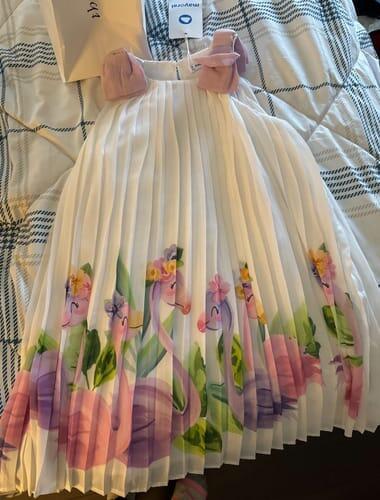
Dresses and jumpsuits can still belong in a capsule when they layer well and suit the child’s routine.
School Clothes in a Capsule Wardrobe
School usually determines the largest share of the wardrobe. Prioritize comfortable, washable pieces that can repeat in different combinations.
Weekend Clothes in a Capsule Wardrobe
Many school basics can work on weekends. Add only the categories needed for specific activities or personal style.
Sports and Activity Clothes
Sportswear may sit outside the main capsule when the activity has specific requirements. Count it separately so it does not distort the everyday wardrobe plan.
Special Occasion Clothes
One or two versatile polished outfits may cover many family events. Avoid filling the capsule with formal pieces that are rarely worn.
Sleepwear
Sleepwear is a functional category and does not need to coordinate with the daytime capsule, although quantity should still reflect the laundry cycle.
How Many Kids Clothes Belong in a Capsule?
How Many Tops?
Start with enough tops to cover the normal laundry cycle plus a practical buffer. School-age children who wear one top per day may need fewer than families who do laundry less often.
How Many Bottoms?
Bottoms are often worn more than once between washes depending on activity and household practices. Choose enough variety for school, play and weather.
How Many Sweaters or Hoodies?
A few compatible layers can rotate across many outfits. More is useful only when the child wears layers frequently or laundry access is limited.
How Many Jackets?
The number depends on climate. A rain jacket, transitional jacket and technical winter coat serve different jobs and should not be forced into one piece if local weather requires more.
How Many Dresses?
For children who wear dresses often, several versatile options can belong in the capsule. For others, one or two may be enough.
How Many Special Occasion Outfits?
Keep only what matches the family’s actual calendar. Reusable polished separates can reduce the need for multiple event-specific outfits.
Capsule Wardrobe by Age
Capsule Wardrobe for Preschoolers
Prioritize easy dressing, durable play clothes and enough backups for spills. Elastic waists and simple closures can support growing independence.
Capsule Wardrobe for Elementary Kids
School, recess and after-school activities become central. Build around repeatable school outfits and flexible layers.
Capsule Wardrobe for Tweens
Style preferences become stronger. Let tweens participate in the palette and silhouette choices so the capsule does not become a closet they dislike.
Capsule Wardrobe for Teens
Older kids may need more category variety for school, sports, work or social events. The capsule principle still applies: choose compatible pieces that are actually worn.
Capsule Wardrobe by Season
Spring Capsule Wardrobe
Use long sleeves, T-shirts, pants and light layers. Keep a rain or transitional jacket available.
Summer Capsule Wardrobe
Shift toward lightweight tops, shorts, skirts and dresses, with one light layer for cooler evenings or air-conditioned spaces.
Fall Capsule Wardrobe
Reuse summer tops under sweaters and add pants, hoodies and jackets as temperatures drop.
Winter Capsule Wardrobe
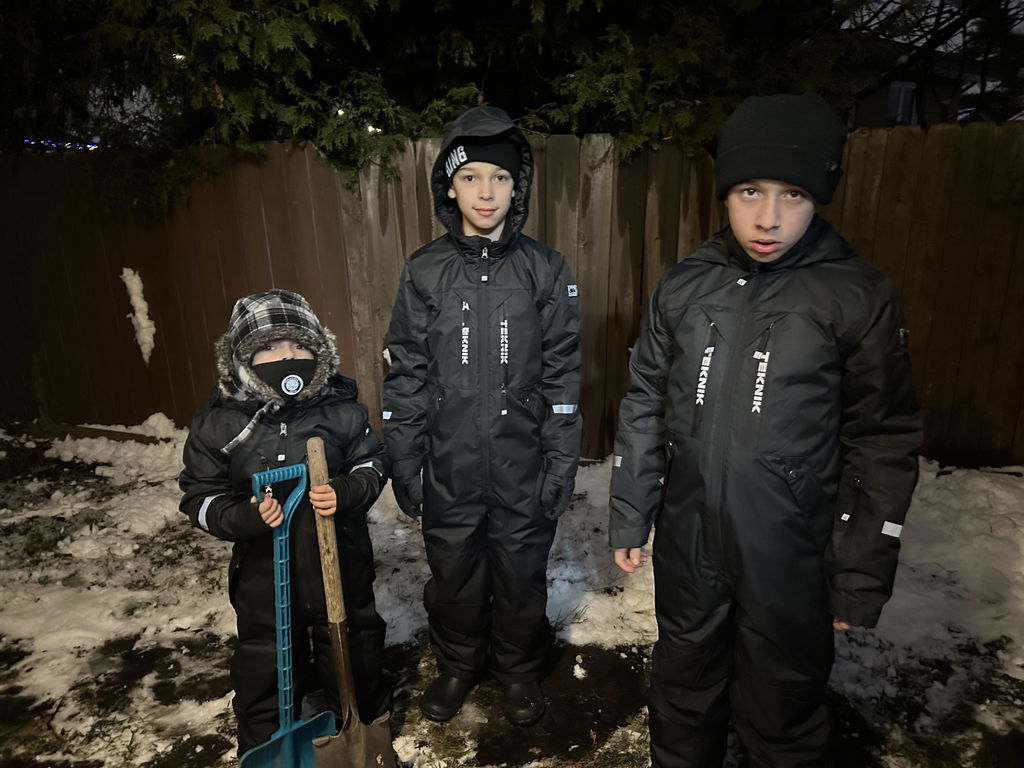
Keep indoor basics simple and use technical outerwear for outdoor conditions. Browse Kids Snowsuits when insulated snow protection is the need.
Capsule Wardrobe by Routine and Occasion
Back-to-School Capsule Wardrobe
Begin with what still fits from the previous term. Then fill only the gaps in tops, bottoms, layers and school-specific requirements.

A kids capsule wardrobe is a functional system: audit what fits, cover the child’s routine, choose compatible colors, fill high-use categories and review as growth changes.
Travel Capsule Wardrobe for Kids
Travel is one of the best uses for capsule thinking. Pack compatible pieces that can create several outfits with fewer items.
Weekend Trip Capsule
Choose a few tops, one or two bottoms, a layer and weather-appropriate outerwear. Add activity-specific items only when needed.
One-Week Trip Capsule
Use laundry access and itinerary to determine quantity. A compatible palette allows repeated bottoms and layers to create different looks.
Capsule Wardrobe for Family Photos
Choose one outfit that coordinates with the family palette without requiring several new pieces that will never be worn again.
Adapt the Capsule to the Child
Capsule Wardrobe for Kids Who Love Prints
A capsule can still be colorful. Repeat several shared colors across prints so pieces remain compatible.
Capsule Wardrobe for Kids Who Prefer Neutrals
Use texture and layering to create variety without adding many colors.
Capsule Wardrobe for Kids Who Change Preferences Often
Keep the core basics simple and allow trends or favorite characters to appear in a smaller number of tops or accessories.
Capsule Wardrobe for Fast Growth
Avoid buying large quantities in one size. Replenish high-use categories as the child grows rather than stocking an entire future wardrobe.
Capsule Wardrobe With Hand-Me-Downs
Start with the usable inherited pieces, then buy only the categories needed to make the wardrobe functional.
Capsule Wardrobe on a Budget
Prioritize current-size basics and high-use layers. Sales are useful when they fill a real gap, not when they create another future-size pile.
Use Cost Per Wear
A frequently worn sweater can offer better value than a cheaper statement piece used once. Expected use should influence budget allocation.
When to Spend More
Technical outerwear or a high-use piece that fits exceptionally well may justify a higher budget when the features match the child’s needs.
When to Spend Less
Short-lived trends, one-time themed outfits and rapidly outgrown categories may not need the same investment.
Capsule Wardrobe Shopping Rules
Capsule Wardrobe Shopping Rule: Three-Outfit Test
Before buying a new item, identify at least three existing pieces it can work with. If you cannot, decide whether the garment is special enough to justify being a one-outfit purchase.
Capsule Wardrobe Shopping Rule: Current-Size First
Prioritize the size the child can wear now. Future-size purchases should be selective because growth and seasonal timing are uncertain.
Capsule Wardrobe Shopping Rule: Routine First
Buy for the child’s actual school, daycare, sports and family schedule rather than an imagined lifestyle.
Capsule Wardrobe Shopping Rule: Comfort First
If the child dislikes how a garment feels, compatibility does not matter because the piece will not be worn.
How to Organize a Kids Capsule Wardrobe
Keep tops, bottoms and layers visible by category. A smaller accessible wardrobe makes outfit building easier for children.
Use Outfit Photos
Photograph combinations that work well. This creates a simple reference for rushed mornings and helps identify the most versatile pieces.
Review the Capsule Monthly
Growth can change the wardrobe quickly. Remove outgrown pieces and note category gaps before shopping again.
Review the Capsule Before Each Season
Check which layers and outerwear still fit before buying seasonal replacements.
Common Capsule Wardrobe Mistakes
- Choosing an arbitrary item count.
- Buying too many neutral pieces the child dislikes.
- Ignoring sports or school requirements.
- Keeping outgrown clothing in the active closet.
- Buying future sizes too early.
- Building around trends instead of routine.
- Forgetting technical outerwear needs.
Kids Capsule Wardrobe Checklist
- Audit what currently fits.
- Remove unused and outgrown pieces.
- Choose a compatible palette.
- Cover high-use tops and bottoms first.
- Add versatile layers.
- Add weather-specific outerwear.
- Keep special occasion clothing limited to real needs.
- Use the three-outfit test before buying.
- Review monthly as the child grows.
Shop a Kids Capsule Wardrobe
Start with Girls Clothes and Boys Clothes. Fill the categories missing from the child’s current-size wardrobe rather than shopping the entire collection at once.
Frequently Asked Questions
How many clothes should be in a kids capsule wardrobe?
There is no universal number. Build enough clothing for the child’s routine and laundry cycle while keeping most pieces compatible.
Do capsule wardrobes have to use neutral colors?
No. Bright colors and prints work well when several pieces share compatible colors.
Can a capsule wardrobe include dresses?
Yes. Dresses, sets and other one-piece outfits can belong when they suit the child’s routine and layer well.
Do kids need a separate capsule for every season?
No. Many basics can work across multiple seasons with different layers and outerwear.
Where should I start shopping?
Start with the wardrobe gaps inside Girls Clothes or Boys Clothes, depending on the child’s current needs.
Related guide: Styling Tips: Mixing and Matching Kids' Clothes.
Building the wardrobe on a budget? Continue with How to Save Money on Kids Clothes Without Compromising Quality for cost-per-wear, sizing and sale-shopping strategies.
Bottom Line
A useful kids capsule wardrobe is not about minimalism for its own sake. It is a practical system of current-size clothes that fit the child’s routine, coordinate easily and get worn often. Audit first, buy the gaps second and let real wear guide the next purchase.
Capsule Wardrobe Formula by Age
Baby
Build around one-pieces, sleepers, simple tops, bottoms and a small number of seasonal layers. Diaper access and wash frequency matter more than creating many distinct looks.
Toddler
Add easy pull-on bottoms, durable tops and layers the child can begin managing independently. Daycare and outdoor play often determine which pieces deserve duplicates.
School-age child
School routine, sports, weather and personal preferences become stronger inputs. Keep a reliable base of interchangeable everyday clothing, then add activity-specific pieces separately.

Capsule checkout test: current size, real routine, three-outfit versatility, comfort, season, duplicate need and sale relevance all matter before adding another item.
Capsule Wardrobe Quantity Framework
Do not copy a fixed internet checklist. Start from the laundry cycle. Count how many tops, bottoms and layers are used between normal wash days, then add reasonable backups. A family washing frequently can maintain a smaller capsule than one washing once a week.
Colour Strategy Without Making the Wardrobe Boring
Choose a small group of connector colours for bottoms and layers, then use prints or brighter colours in tops, dresses or one-piece outfits. Compatibility matters more than making everything neutral.
How to Use Brand Collections in a Capsule
A coordinated brand collection can make colour pairing easier, but evaluate each garment independently. Mayoral can provide coordinated seasonal pieces; Petit Lem and Angel Dear can fill sleepwear needs; winter outerwear can be selected separately from Kids’ Snowsuits.
Seasonal Capsule Transitions
Summer to fall
Keep useful short-sleeve pieces and add pants plus removable sweaters before replacing the entire wardrobe.
Fall to winter
Indoor clothing may remain similar while technical outerwear changes. Add winter layers and outerwear according to local conditions.
Winter to spring
Remove heavy layers gradually and add rain protection for wetter shoulder-season days.
Capsule Wardrobe Budget Strategy
Spend more attention on pieces used frequently and technical categories where performance matters. Use sales for known wardrobe gaps rather than adding an item simply because it is discounted.
Capsule Wardrobe Audit Checklist
- Remove outgrown clothing.
- Separate current-season pieces.
- Count high-use tops and bottoms.
- Identify missing connector pieces.
- Check whether layers work across several outfits.
- Separate technical outerwear from everyday clothing.
- Buy only the gaps.
Capsule Wardrobe FAQs
Does every item need to match every other item?
No. High compatibility is enough. Special pieces can still add personality.
How often should I rebuild the capsule?
Review it when growth, season or routine changes rather than following a fixed calendar.
Should pajamas count in the capsule?
Track sleepwear separately because its quantity and fit requirements differ from daytime outfits.
Capsule Wardrobe by Real-Life Routine
Daycare week
Daycare can increase the need for backups, easy changes and washable clothing. Keep the capsule simple enough that replacement outfits still coordinate without requiring complete sets. Ask the daycare how many spare outfits should remain onsite before deciding your household quantity.
School week
For older children, build around school-appropriate tops, bottoms and layers, then separate sports uniforms or highly specialized clothing from the everyday capsule. Independence with zippers, waistbands and footwear can matter more than creating perfectly coordinated looks.
Weekend and family outings
Use the same everyday base whenever possible, adding one or two more polished pieces rather than maintaining a separate weekend wardrobe.
How to Handle Dresses, Sets and One-Piece Outfits
Not every capsule item needs to be a separate top or bottom. Dresses, rompers and coordinated sets can simplify dressing, but count them as complete outfit options when evaluating whether the wardrobe already has enough combinations.
For babies, browse Baby Girls One-Pieces and Baby Boys One-Pieces. For dressier options, Mayoral Dresses can add a special piece without requiring an entirely separate wardrobe.
How to Decide Which Basics Deserve Duplicates
Duplicate a basic only after it proves useful. If the same leggings, trousers, simple top or pajama style repeatedly runs out before laundry, another current-size piece can reduce friction. Avoid buying duplicates because a product is available in many colours before you know the fit works.
Capsule Wardrobe and Growth Spurts
Growth can temporarily reduce the number of usable combinations. When several items become short or tight at once, replace the most frequently used category first instead of rebuilding everything in one order. This also gives you time to confirm the new brand size before duplicating it.
Capsule Wardrobe for Canadian Weather
In climates with large seasonal changes, keep technical outerwear outside the core indoor capsule. The same tops and bottoms may continue working while rainwear, winter outerwear or lighter jackets change around them. This prevents seasonal gear from distorting the number of everyday pieces you think the child needs.
How to Shop a Sale for a Capsule Wardrobe
Use the existing gap list before opening the sale collection. A discounted connector piece in the correct current size can improve the capsule; a heavily discounted statement item that matches nothing may increase wardrobe friction. Browse Sale only after identifying the category you need.
Capsule Wardrobe Checkout Checklist
- Confirm current size.
- Identify the exact wardrobe gap.
- Name at least three outfits the item can create, unless it is intentionally a special piece.
- Check fabric and care.
- Check daycare or school practicality.
- Compare with existing duplicates.
- Review seasonal timing.
- Check return conditions.
More Capsule Wardrobe FAQs
Can siblings share capsule pieces?
Hand-me-downs can work when the garment remains in suitable condition and fits the next child correctly. Build each active capsule around the current child rather than assuming identical needs.
Should outerwear match the capsule colours?
It can, but function comes first. Technical outerwear should be selected for fit and weather needs before colour coordination.
How many statement pieces should a capsule have?
There is no fixed number. Keep enough everyday compatibility that special pieces do not require several extra purchases to become wearable.
Use Returns and Fit Feedback to Improve the Capsule
When a new item arrives, try it with the pieces it is supposed to coordinate with before removing tags. If the colour works but the cut does not, exchange the fit rather than keeping an item that will sit unused. Record which brand sizes and cuts work well so the next purchase begins with better information.
After several weeks, review what was actually worn. If one category repeatedly runs out, add there. If a new piece never enters rotation, identify why before buying something similar. This feedback loop keeps the capsule based on real use instead of an idealized wardrobe plan.
Know When the Capsule Is Finished
Stop shopping when the child has enough current-size clothing to cover the normal laundry cycle, school or daycare routine and present season. A capsule loses its purpose if every new colour or sale becomes another “essential.” Keep a short future wish list instead of adding duplicates immediately.
When relatives ask what to buy, share a real wardrobe gap or useful next-size category. This helps gifts strengthen the capsule instead of creating extra pieces that do not coordinate or fit the season.