Saving money on kids clothes is not about buying the cheapest item every time. The strongest strategy is to reduce unworn purchases, choose the correct size, use sales to fill real wardrobe gaps and get more wear from the clothes children already own.
For current markdowns, start with Girls Clothes Sale and Boys Clothes Sale, then compare the discounted options with what the child actually needs.
Start With the Wardrobe Gap
Before shopping, identify the missing category: school tops, pants, pajamas, a sweater, rainwear or winter outerwear. A discount is only valuable when it solves a real need.
Audit the Current Size
Remove outgrown clothes and count what still fits. Parents often buy duplicates because current-size and future-size clothing are stored together.
Use Cost Per Wear
A $40 sweater worn 30 times can provide more value than a $15 novelty top worn once. Expected use is often a better measure than sticker price alone.
Buy High-Use Categories First
School tops, everyday bottoms and frequently used layers deserve budget priority because they receive repeated wear.
Do Not Buy a Size Up Automatically
Extra growth room can be useful in some daywear, but intentionally oversizing every garment can create poor fit and may cause the item to reach the correct size in the wrong season.
Use the Brand Size Chart
Age labels vary by brand. Correct sizing reduces returns and unworn purchases.
Buy Future Sizes Selectively
Future-size bargains are risky when growth and season are hard to predict. Buy ahead only when the category has enough flexibility to justify the uncertainty.
Use Kids Clothing Sales Strategically
End-of-Season Sales
Clearance can be useful for current needs or carefully chosen future basics. Avoid buying an entire future seasonal wardrobe based only on price.
Back-to-School Sales
Audit the existing school wardrobe before buying. Replace outgrown high-use categories rather than assuming every child needs a complete new wardrobe.
Holiday Sales
Black Friday, Cyber Monday and holiday promotions can provide lower prices, but the same rule applies: buy from a prepared list instead of browsing for a reason to purchase.
Mid-Season Markdowns
Mid-season sales can be particularly useful because children can still wear the current-size clothing immediately.
Final Sale Items
Review sizing and return restrictions carefully. A deeper markdown can become expensive when the item cannot be exchanged and does not fit.
Compare Sale Price With Expected Use
A heavily discounted special-occasion item may still deliver less value than a smaller discount on everyday school clothing.
Set a Kids Clothing Budget and Shopping Rules
Build a Small Shopping List
Write down the categories, current size and approximate quantity needed before opening the sale collection.
Set a Clothing Budget
Choose a monthly, seasonal or back-to-school amount that fits household finances. A budget makes it easier to choose between several attractive sale items.
Separate Needs From Wants
A missing winter coat is a different priority from another graphic tee when the drawer is already full.
Use a 24-Hour Rule for Non-Urgent Purchases
When an item is not needed immediately, waiting before checkout can reduce impulse purchases and give time to check the wardrobe.
Shop a Capsule Wardrobe
Compatible colors and versatile layers create more outfits from fewer pieces. This can reduce the number of one-purpose garments purchased each season.
Use the Three-Outfit Test
Before buying, name three existing pieces the new garment can work with. If it only creates one outfit, decide whether that limited use is worth the price.
Buy Multipacks Carefully
Multipacks can save money on basics when the size and category are already proven. They are less useful just before a growth spurt.
Try One Before Buying Several
For an unfamiliar brand or fit, start with one garment. Confirm fit and wash performance before buying duplicates.
Save With Secondhand, Hand-Me-Downs, and Resale
Secondhand Kids Clothes
Secondhand clothing can reduce cost for categories that remain in good condition. Inspect seams, elastic, closures and stains before purchase.
Hand-Me-Downs
Use what still fits and is in good condition, then shop only the gaps. Hand-me-downs work best as part of the current wardrobe rather than stored indefinitely.
Clothing Swaps
Family or community swaps can be useful when sizes and condition match the child’s needs. Avoid accepting large quantities that simply create storage clutter.
Resell Outgrown Clothing
When practical, resale can recover part of the cost of well-maintained pieces. Do not buy new clothing solely because you expect it to retain resale value.
Make Kids Clothes Last Longer
Care for Clothes Correctly
Follow garment care labels. Proper washing and drying can help preserve fit, fabric and color.
Treat Stains Before Drying
Check stained clothing before machine drying because heat can make some stains harder to remove. Follow fabric-appropriate stain guidance.
Repair Simple Damage
A loose button or small seam opening may be repairable, extending the garment’s useful life when the child still fits it.
Rotate Clothing
If the same few outfits are always on top of the drawer, other current-size pieces may go unworn. Rotate the wardrobe so purchases receive actual use.
Store Future Sizes Clearly
Label bins by size and season. This prevents families from rebuying items they already own.
Review the Closet Monthly
Kids grow quickly. A short review can identify what is becoming too small before an urgent replacement is needed.
Save Money by Clothing Category
Save Money on School Clothes
Prioritize durable, comfortable basics that comply with school expectations. Trend pieces can be added in smaller quantities.
Save Money on Weekend Clothes
Reuse school basics with different layers or accessories rather than maintaining a completely separate weekend wardrobe.
Save Money on Special Occasion Clothes
Choose one versatile polished outfit or separates that can be reused across birthdays, holidays and family events.
Save Money on Winter Clothes
Prioritize fit and technical needs. A discounted winter garment is poor value when it does not provide the weather protection the child needs.
Save Money on Summer Clothes
Build around compatible tops and bottoms rather than many single-purpose outfits.
Save Money on Trend Pieces
Use a small part of the wardrobe budget for trends while keeping most spending on versatile basics.
Save Money With Neutral Basics
Neutral pieces can be versatile, but a capsule does not need to be colorless. Repeated bright colors can work just as well.
Save Money With Sets
A matching set offers more value when both pieces can also work separately.

Saving money starts with a wardrobe audit, correct sizing and high-use categories; sale prices help only when the item fills a real need.
Save Money on Sibling Wardrobes
Choose durable pieces that can become hand-me-downs when appropriate, but do not compromise the current child’s fit just for future reuse.
Compare Quality, Brand, and Claims
Compare Quality Without Overpaying
Inspect fabric, stitching, closures and care requirements. Higher price does not automatically mean better durability.
Premium vs Budget Clothing
Use premium spending selectively for high-use items or features the child genuinely needs. Basic categories can come from different price tiers.
Do Brand Names Save Money?
Not by themselves. A well-fitting garment that gets frequent wear provides value regardless of brand positioning.
Organic or Sustainable Claims and Budget
If those attributes matter to the family, verify product-level certification and decide how much budget priority they deserve. Do not pay more based only on vague marketing language.
Save Money When Shopping Online
Online Shopping and Returns
Review size charts and return conditions before checkout. Return shipping or final-sale restrictions can change the true cost of a purchase.
Shipping Thresholds
Do not add unnecessary items solely to reach a free-shipping threshold unless the additional purchase was already needed.
Coupons and Discount Codes
A coupon does not create savings when it encourages an unnecessary purchase. Apply it to items already on the shopping list.
Loyalty Programs
Use rewards when they fit normal shopping habits, but do not let points or expiry dates pressure the family into buying unneeded clothing.
Kids Clothing Savings Checklist
- Audit current sizes.
- List real wardrobe gaps.
- Set a budget.
- Use sale collections first for needed categories.
- Check size charts.
- Buy future sizes conservatively.
- Use cost per wear.
- Follow care labels.
- Store future sizes clearly.
- Review the wardrobe before every seasonal sale.
Shop Kids Clothes on Sale
Browse Girls Clothes Sale and Boys Clothes Sale when the goal is to fill a current wardrobe gap at a lower price.
Frequently Asked Questions
What is the best way to save money on kids clothes?
Buy for real wardrobe gaps, use the correct size, prioritize high-use pieces and use sales intentionally rather than impulse shopping.
Should I always buy kids clothes one size bigger?
No. Use the brand chart and garment purpose. Excessive growth room can create poor fit and season mismatch.
Are expensive kids clothes always better?
No. Compare construction, fit, care and expected use rather than price alone.
Should I buy future sizes on clearance?
Only selectively because growth and seasonal timing are uncertain.
Related guide: The Ultimate Guide to Baby Clothing Sales and Discounts.
Reduce repeat purchases: A smaller coordinated wardrobe can cut wasted spending. See How to Build a Capsule Wardrobe for Your Child for a practical mix-and-match system.
Bottom Line
The biggest savings usually come from buying fewer wrong items, not from chasing the largest discount. Audit the wardrobe, shop the gap, use sales strategically and choose clothing that will actually be worn.
Kids Clothing Budget Allocation Framework
Do not split the clothing budget evenly across every category. Put more budget toward high-use items and technical categories where fit or weather performance matters. Keep a smaller portion for trend pieces and one-event clothing.
| Category | Budget logic |
|---|---|
| Everyday basics | Prioritize fit, washability and frequent use |
| Pajamas | Correct intended fit, fabric and laundry routine |
| Winter outerwear | Weather performance and fit before discount |
| Rainwear | Product-specific water protection and actual climate need |
| Occasionwear | Rewear potential and event timing |
| Trend pieces | Keep a smaller discretionary budget |
How to Calculate Cost per Wear
Divide the purchase price by a realistic estimate of how often the child will wear the item. The number does not need to be exact. Its purpose is to compare categories. A $50 sweater worn 25 times has a very different value profile from a $30 special outfit worn once.
Use cost per wear carefully for growing kids
Do not assume a garment will receive months of use simply because it is durable. Growth can end the useful period before the garment wears out. Current fit and seasonal timing remain part of the value calculation.
Sale Math: Discount Percentage Is Not Savings
A discount saves money only when you would reasonably buy the category and size anyway. A 50% discount on an unnecessary future-size item still creates spending. Compare the sale price with expected use, current wardrobe gaps and return restrictions.
How to Shop Clearance Without Creating Size Waste
Clearance often involves future sizes or end-of-season inventory. Limit speculative purchases to categories where the season and likely size are reasonably predictable. Avoid building an entire next-year winter wardrobe from a current age label.
When Full Price Can Be the Cheaper Decision
Paying full price can make sense when the child needs the item now, the correct size is available and waiting risks buying a substitute that fits poorly. This is especially relevant for high-use school basics or winter outerwear during peak season.
Where to Save and Where to Compare More Carefully
Everyday tops and bottoms
Look for current-size pieces that combine easily and tolerate the household laundry routine. Sales can work well when you already know the brand fit.
Technical outerwear
Do not choose solely by price. Compare the exact warmth, water-protection, wind and fit information. Browse Kids’ Snowsuits for winter outerwear.
Occasionwear
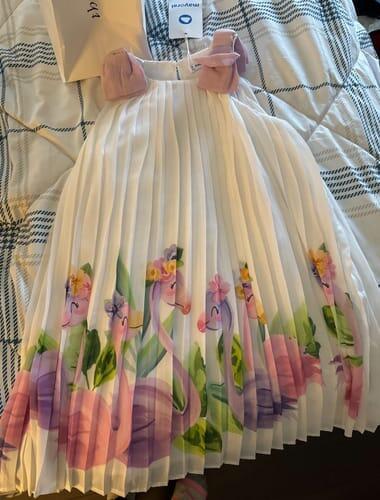
Consider rewear. A dress, sweater or coordinated set that can work for another event may deliver better value than a cheaper one-use novelty outfit.
How to Save on Mayoral and Other Premium Brands
Start with the wardrobe need, then browse the brand. For Mayoral, choose pieces that coordinate with clothing already owned rather than treating a seasonal collection as a reason to buy a complete new outfit. The same principle applies to other premium brands.

Before checkout, audit the sale cart for need, fit, outfit versatility, season, total spend, return value and unnecessary threshold purchases.
Kids Clothing Cart Audit Before Checkout
- Remove anything that does not fill a current or near-term need.
- Check every size against current measurements.
- Remove duplicate categories unless the first item repeatedly runs out before laundry.
- Check whether sale items are returnable.
- Compare technical products by specifications, not markdown.
- Identify at least three outfits for versatile pieces.
- Review shipping thresholds only after the cart is otherwise complete.
Free Shipping Thresholds: Do Not Spend $30 to Save $10
If the cart is below a free-shipping threshold, compare the additional purchase cost with the shipping charge. Adding an unnecessary item to avoid a smaller shipping fee increases total spending. Only add something that was already on the near-term shopping list.
Coupon and Loyalty Program Rules
Use coupons to reduce the cost of a planned purchase rather than to create urgency. Loyalty rewards are most valuable when they align with normal repeat purchases. Do not buy extra clothing only to reach a points tier or reward threshold.
Saving Money With Siblings
Hand-me-downs can reduce costs when condition, season and fit work for the next child. Do not assume siblings will wear the same size at the same age. Store reusable pieces clearly by size and category, then re-check fit before each season.
Kids Clothing Budget by School Year
Instead of one large back-to-school order, buy the immediate school gaps first. Reassess after several weeks once you know which categories are being worn most. Save part of the budget for growth and winter needs later in the year.
Winter Clothing Budget Strategy
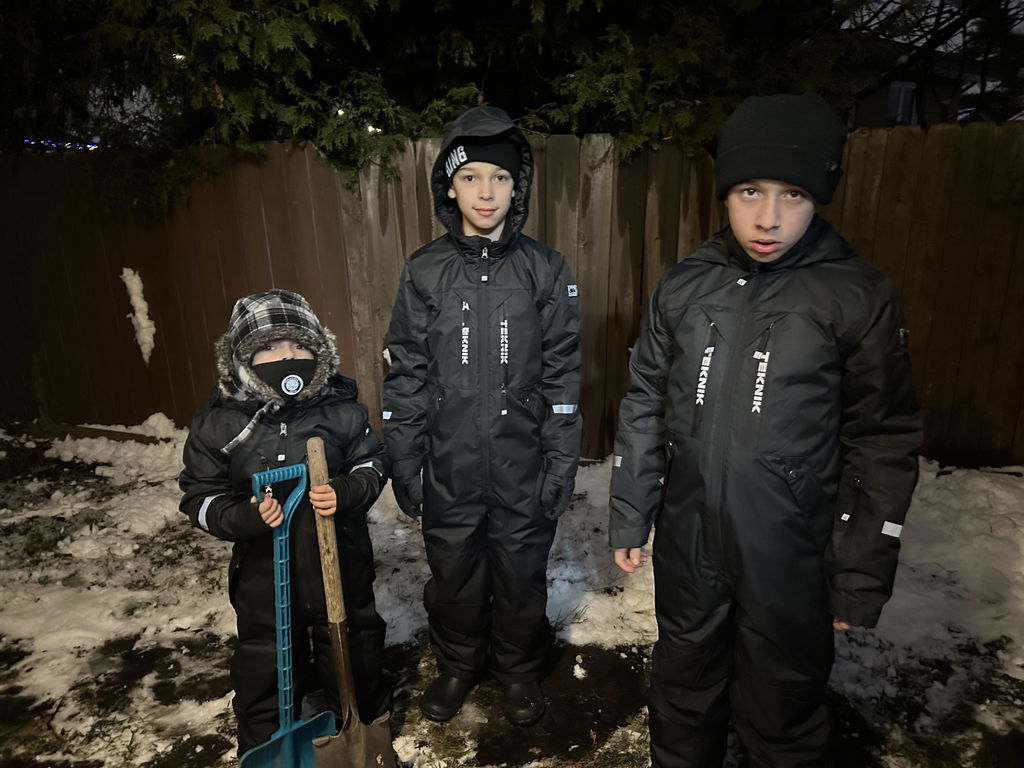
Prioritize the primary outerwear system, boots and accessories required for local conditions. A reliable current-size snowsuit can deserve more budget than several extra indoor outfits if outdoor school use is frequent.
When Buying Multiples Saves Money
Duplicate a basic only after it proves useful. If the same leggings, pants, top or pajama style repeatedly runs out before laundry, another current-size piece can reduce friction. Buying several colours before testing fit increases risk.
When Buying Multiples Wastes Money
A multi-buy discount can increase spending when the child is close to a size transition, the brand fit is untested or the category is rarely used. Calculate the cost of the entire bundle, not just the per-item discount.
Monthly Kids Wardrobe Review
Remove outgrown items, note categories that repeatedly run out, check upcoming weather and identify the next likely size transition. This small routine can prevent duplicate purchases and make sales easier to evaluate.
Money-Saving Shopping Checklist
- Shop the wardrobe gap.
- Use current measurements.
- Compare cost per wear.
- Use sales for planned needs.
- Limit speculative future sizes.
- Check return conditions.
- Do not chase shipping or loyalty thresholds.
- Duplicate only proven basics.
- Review the wardrobe before each major sale.
More Money-Saving FAQs
Is secondhand always the cheapest option?
Not necessarily. Compare condition, fit and remaining useful life with the price of a new sale item.
Should I buy winter coats or snowsuits in spring clearance?
Only if you accept the future-size risk and the savings justify it.
How do I save money without buying low-quality clothes?
Buy fewer unnecessary pieces, prioritize fit and high-use categories, compare exact product construction and care, and use sales strategically.
Budget Scenarios: Different Families Need Different Strategies
One child growing quickly
Keep future-size buying conservative. Put more budget into current high-use categories and delay seasonal purchases until measurements are more predictable.
Two or more siblings
Use hand-me-down potential as a bonus, not a guarantee. Buy the first child’s clothing for correct current fit, care for reusable pieces properly and reassess each item for the next child.
Daycare family
Daycare may require more backups and labelled basics. Spend on washable high-use clothing first, then add duplicate pieces only where the weekly routine proves they are needed.
School-age child
Reserve budget for school basics, growth during the year and seasonal outerwear. Avoid spending the full annual clothing budget during back-to-school promotions.
Returns Have a Financial Value
A lower-priced final-sale item can be more expensive than a slightly higher-priced returnable item if sizing is uncertain. Include return flexibility in the value comparison, especially when trying a new brand or buying outerwear online.
Repair vs Replace
Simple repairs can extend useful life when the garment still fits and the repair does not compromise function. Loose buttons, minor seams and some everyday wear may be repairable. Technical outerwear should be evaluated more carefully when damage affects closures, water protection or other functional components.
Resale Economics
Do not justify a purchase with an assumed resale price. Future demand and condition are uncertain. Treat any resale return as a bonus after the child has received useful wear from the garment.
How to Store Future Sizes Without Buying Them Twice
Organize stored clothing by size and category and keep a simple inventory. Before a major sale, check the storage bin first. Families often repurchase basics because future-size clothing is packed away and forgotten.
Price per Item vs Total Cart Cost
Retail promotions often emphasize the per-item saving. Review the final cart total instead. Buying four discounted items can still cost more than buying the one full-price item the child actually needs.
How to Evaluate a “Buy More, Save More” Promotion
- Build the cart without considering the promotion.
- Identify the items you would buy anyway.
- Calculate the additional spend required for the next discount tier.
- Compare that spend with the actual extra discount.
- Do not cross the threshold unless the additional items fill real needs.
When to Wait Before Buying
Wait when the child is close to a size transition, the season is still months away, the wardrobe gap is uncertain or you are considering a new brand in multiple sizes. A short delay can provide better sizing information and prevent speculative purchases.
When Not to Wait
Do not delay a necessary current-size purchase solely for a possible future sale when the child needs the item now. Correct fit and actual use can outweigh a modest potential discount.
Annual Kids Clothing Review
At least once a year, review which purchases delivered the most wears, which sale items were never used, which brands fit best and which categories created repeated emergency purchases. Use that information to set the next year’s budget and shopping rules.
Final Value Rule
The cheapest kids wardrobe is not the one with the lowest price per garment. It is the wardrobe where most purchased pieces fit at the right time, are worn regularly, work with the family’s laundry and activity routine, and are not replaced unnecessarily.