Dressing kids for every season is easier when the wardrobe is built around real weather, daily activities, school routines and flexible layers. Spring, summer, fall and winter each create different needs, but families do not need four completely separate wardrobes. Many basics can work across multiple seasons when they are layered thoughtfully.
For current age 3–18 styles, browse Girls Clothes and Boys Clothes, then narrow by garment type and weather need.
Dress for the Weather, Not Just the Calendar
A warm October afternoon can feel more like summer than fall, while a cold spring morning can require winter-like layers. Check the actual conditions and the child’s activity before choosing the outfit.
Build a Year-Round Base Wardrobe
T-shirts, long-sleeve tops, comfortable pants, leggings, jeans, sweaters and simple layers can work across multiple seasons. Seasonal outerwear should be added only when the weather requires it.
Spring: Flexible Layers for Changing Days
Spring often starts cool, warms during the day and brings frequent rain. Removable layers make it easier for kids to move between school, recess and indoor spaces.
Spring Clothing Essentials for Kids
- T-shirts and long-sleeve tops.
- Comfortable pants or leggings.
- Sweaters or hoodies.
- A light jacket.
- Rain protection when needed.
Spring School Outfits
Use a simple base outfit plus a removable layer. This makes it easier for children to adjust between a cool commute, warm classroom and outdoor recess.
Spring Weekend Outfits
Jeans, leggings, joggers and layered tops can work well for parks, errands and casual family activities.
Spring Rainy-Day Clothing
Rain protection should come from appropriate outerwear rather than thick everyday clothes. Keep the base outfit comfortable enough for indoor wear after the outer layer comes off.
Spring Fabric Choices
Light-to-medium knits and easy-care fabrics are useful because spring weather changes quickly. Fabric weight and construction matter more than one preferred fiber.
Spring Transition Strategy
Do not remove every winter layer after the first warm day. Keep a few sweaters and weather layers available until temperatures become consistently mild.
Summer: Lightweight Clothing and Simple Outfits
Summer wardrobes benefit from fewer layers, lighter fabrics and clothing that works for outdoor play, travel and air-conditioned indoor spaces.
Summer Clothing Essentials for Kids
- Lightweight T-shirts and tops.
- Shorts, skirts or light pants.
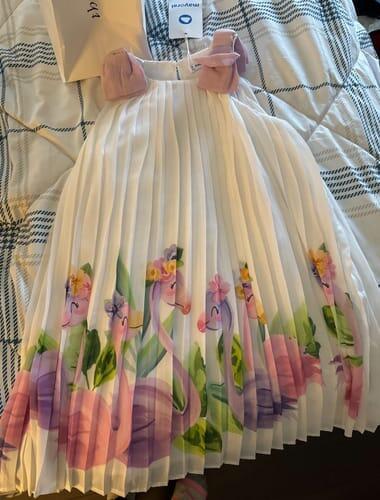
- Summer dresses and rompers where appropriate.
- A light layer for cool indoor spaces.
- Activity-appropriate swimwear and sun protection.
Summer School and Camp Outfits
Choose washable, easy-moving clothes that can handle outdoor activity and repeated laundering.
Summer Travel Outfits
Use pieces that pack easily and can combine with several bottoms or tops. A lightweight sweater can help with airports, airplanes and strongly air-conditioned spaces.
Summer Evening Outfits
Temperatures can drop after sunset. Add a light sweater or jacket without changing the entire outfit.
Summer Fabric Choices
Lightweight fabric construction can matter more than the fiber name alone. Choose clothing appropriate to heat, activity and indoor conditions.
Summer Wardrobe Mistake: Too Many One-Season Pieces
Highly themed summer items may have a short wear window. Keep most of the wardrobe versatile enough to work into early fall.
Fall: Build Back the Layers
Fall is one of the easiest seasons for wardrobe mixing because summer basics can continue under sweaters, hoodies and jackets.
Fall Clothing Essentials for Kids
- Long-sleeve tops.
- Jeans, joggers, leggings or other pants.
- Sweaters, hoodies and sweatshirts.
- Light-to-medium jackets.
- Rain protection where needed.
Early Fall Outfits
Use summer tops with pants and a removable layer. This avoids buying a completely new wardrobe before the weather truly cools.
Late Fall Outfits
Add warmer mid layers and transition toward winter outerwear as temperatures, wind and precipitation change.
Fall School Outfits
Use compatible basics that can be repeated with different sweaters and layers. This simplifies weekday mornings.
Fall Weekend Outfits
Layer graphic tees, sweaters and jackets over durable bottoms for outdoor activities and casual plans.
Fall Fabric Choices
Medium-weight knits, fleece, denim and other comfortable fabrics can work depending on activity. The complete outfit should match the weather.
Winter: Separate Indoor Clothing From Outdoor Protection
Winter dressing should not mean wearing maximum insulation all day. Heated schools and homes usually need normal indoor clothes, while outdoor time may require technical outerwear.
Winter Clothing Essentials for Kids
- Comfortable indoor tops and bottoms.
- Warm mid layers.
- Weather-appropriate outerwear.
- Winter accessories for outdoor use.
- Appropriate winter footwear when needed.
Winter School Outfits
Dress for the classroom first, then add outdoor layers for the commute and recess. Children should be able to remove outerwear after coming inside.
Winter Recess Outfits
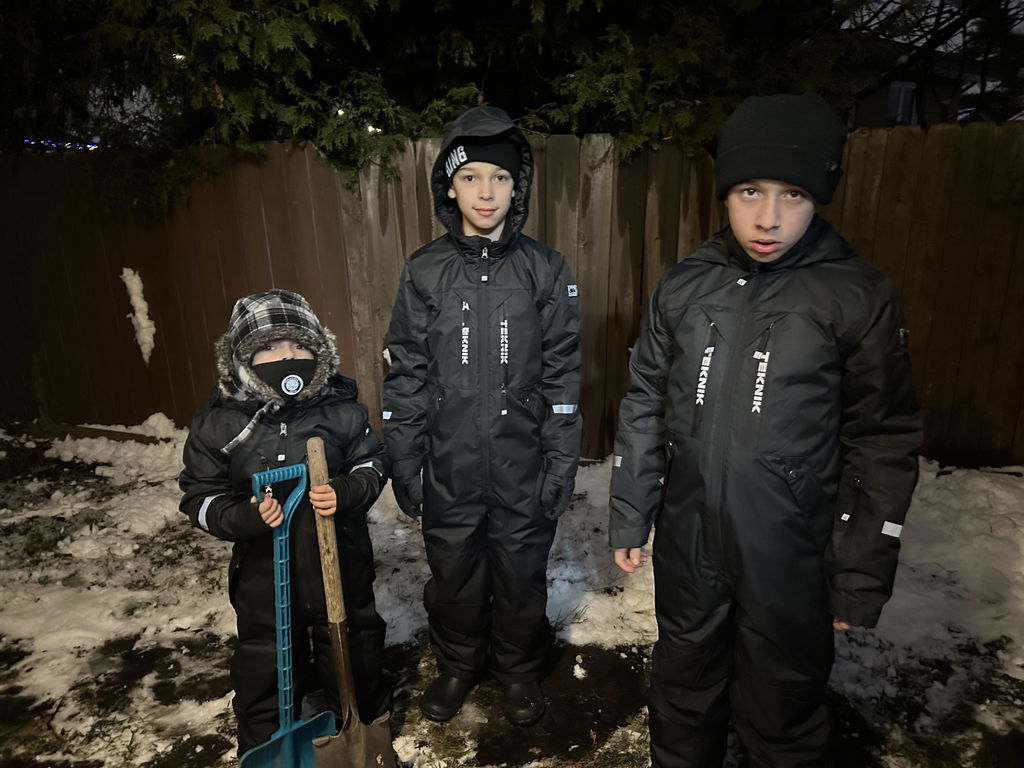
Cold, snow and wet conditions can require insulated outerwear and accessories. Product-specific waterproofing, insulation and fit matter more than fashion labels.
Kids Snowsuits
For outdoor winter gear, browse Kids Snowsuits and compare current options by size, technical details and activity.
Winter Weekend Outfits
Sledding and extended outdoor play may require more weather protection than a short car-to-store transition. Match the system to activity duration.
Winter Fabric Choices
Base, mid and outer layers can use different materials for different jobs. No single fabric needs to handle moisture, warmth and weather protection alone.
Winter Car Rides
Follow the car-seat or booster manufacturer’s guidance for clothing and harness fit. Bulky outerwear may need to be removed depending on the restraint system.
How to Transition Kids Clothes Between Seasons
Transitioning From Winter to Spring
Keep lighter sweaters and jackets available as heavy outerwear becomes unnecessary. Weather can move backward temporarily, so transition gradually.
Transitioning From Spring to Summer
Reduce layers as temperatures rise while keeping a light option for mornings and indoor air conditioning.
Transitioning From Summer to Fall
Reuse summer tops under sweaters and jackets. Add pants and warmer layers before replacing the entire wardrobe.
Transitioning From Fall to Winter
Add technical outerwear once actual cold, wind, snow or wet conditions require it.
Seasonal Clothing by Age and Activity Level
Seasonal Clothing for Preschool Kids
Preschool children need easy dressing, durable play clothes and removable layers. Choose pieces they can move in and, when age-appropriate, manage with increasing independence.
Seasonal Clothing for Elementary Kids
School schedules, recess and activities make flexible layers especially useful. Build around repeatable outfit formulas.

Four-season wardrobe map: reuse core basics, then add spring rain layers, summer lightweight pieces, fall layers and winter outdoor protection as weather requires.
Seasonal Clothing for Tweens
Tweens may have stronger style preferences. Let them choose colors and silhouettes within the practical needs of the weather and school routine.
Seasonal Clothing for Teens
Older kids can take more responsibility for planning layers, but they still need appropriate outerwear for extreme conditions and outdoor activities.
Seasonal Clothing for Active Kids
Kids who run, hike or play sports can become warm quickly. Choose layers that can be adjusted rather than dressing only for standing still.
Seasonal Clothing for Kids Who Run Cold
Use additional appropriate layers when needed, but keep movement and comfort in mind instead of simply choosing the bulkiest clothing.
Seasonal Clothing for Kids Who Run Warm
Choose removable layers and avoid dressing by a fixed formula when the child is consistently comfortable with less insulation.
Seasonal Clothing by Routine and Occasion
Seasonal Daycare Clothing
Send weather-appropriate outerwear and spare clothes according to the facility’s requirements. Label removable items when needed.
Seasonal School Clothing
Think through the entire day: commute, classroom, recess, after-school activities and the trip home can all involve different environments.
Seasonal Clothing for Field Trips
Follow the school’s recommendations and expected activity. Outdoor field trips often require more practical weather protection than a normal classroom day.
Seasonal Clothing for Travel
Pack for the destination’s forecast and planned activities. Versatile layers reduce the number of pieces needed.
Seasonal Clothing for Family Photos
Coordinate colors while still dressing children for the actual temperature. A photo outfit should not require a child to be uncomfortable outdoors.
Seasonal Clothing for Special Occasions
Formal outfits can use sweaters, jackets or weather layers for travel, then remove them indoors.
Seasonal Wardrobe Planning and Budget
How Many Seasonal Clothes Do Kids Need?
There is no universal number. Laundry frequency, school schedule, activities and growth determine how many tops, bottoms and layers are useful.
Do Kids Need a New Wardrobe Every Season?
No. Many basics can continue across two or three seasons. Replace clothing because of fit, wear or real weather needs rather than the calendar alone.
Seasonal Growth Planning
Children can change sizes during a season. Avoid buying large quantities far in advance, especially in technical outerwear or fitted occasion clothing.
End-of-Season Sale Shopping
Future-size discounts can be useful, but size and weather timing are uncertain. Buy ahead selectively rather than predicting an entire future wardrobe.
Seasonal Closet Organization
Keep current and transitional clothing visible. Store clearly out-of-season items separately so children can choose from realistic options.
Seasonal Capsule Wardrobe Strategy
Choose a group of compatible tops, bottoms and layers that can combine into many outfits. Add technical weather pieces only where needed.
Seasonal Color Planning
There is no need to use traditional seasonal colors. A consistent palette across the year can make layering easier and reduce one-season purchases.
Common Seasonal Dressing Mistakes
- Dressing only by month instead of actual weather.
- Leaving outdoor layers on indoors.
- Buying too much future-size clothing.
- Choosing style over activity needs.
- Using one heavy garment instead of flexible layers.
- Ignoring waterproof or technical needs in wet winter conditions.
Kids Seasonal Wardrobe Checklist
- Check current size.
- Review actual local weather.
- Keep versatile base clothes.
- Add removable mid layers.
- Use appropriate outerwear.
- Plan for school and activity changes.
- Reuse pieces across seasons.
- Buy future sizes conservatively.
Shop Kids Clothes for Every Season
Use Girls Clothes and Boys Clothes as year-round shopping hubs, then narrow to the categories needed for current weather.
Frequently Asked Questions
Do kids need different clothes for every season?
They need different weather solutions, but many basics can work across multiple seasons through layering.
What should kids wear in spring?
Use comfortable basics plus removable sweaters, hoodies or light jackets that can adjust through the day.
What should kids wear in summer?
Use lightweight clothing suitable for heat and activity, with a light layer available for cool indoor spaces.
What should kids wear in fall?
Use pants, long sleeves and flexible layers, adding warmer outerwear as weather changes.
What should kids wear in winter?
Use normal indoor clothes plus appropriate technical outerwear for outdoor cold, wind, snow or wet conditions.
Related guide: Layering Guide: Dressing Kids for Changing Weather.
To make seasonal pieces work across more outfits, use our mix-and-match kids clothing guide.
Bottom Line
A year-round kids wardrobe works best when it is flexible. Keep versatile basics, add or remove layers as weather changes, and invest in technical outerwear only where the environment and activity require it.
Season-Specific Gear Guides
For wet weather, see our kids’ rain gear guide. For active snow days, compare kids’ ski jackets. For infants, use our infant winter layering guide.
Kids Seasonal Wardrobe Decision Matrix
| Season | Core wardrobe question | Weather gear |
|---|---|---|
| Spring | Which existing layers still fit? | Rainwear/light jacket as needed |
| Summer | What works for school break, camps and water activities? | Swimwear/sun coverage where needed |
| Fall | What can be layered instead of replaced? | Light outerwear, rain protection |
| Winter | What outdoor conditions and activities must clothing handle? | Snowsuit/jacket, snow pants, accessories |
Seasonal Clothing by School Routine
School-age wardrobes need to work for classrooms, recess, physical activity and commuting. Keep indoor outfits comfortable, then treat technical outerwear as a separate system. This reduces the need to make every sweater or pair of pants “winter clothing.”
Spring: Layering and Rain
Spring weather can change quickly. Reuse suitable long-sleeve tops, pants and sweaters, then add rain protection for wet days. Browse Girls Rain Suits and Boys Rain Suits when full wet-weather coverage is needed.

Seasonal reset: check fit first, reuse cross-season basics, fill real weather gaps, plan for growth and move out-of-season clothing out of the active closet.
Summer: Camps, Travel and Swim
Build around comfortable high-use clothing and add swimwear for actual water activities. Check camp or activity requirements before buying specialized clothing. For swim days, browse Girls Swimwear and Boys Swimwear.
Fall: Build From Existing Basics
Before buying a full fall wardrobe, check which summer and school basics still fit. Add pants, long-sleeve tops and removable sweaters to extend the wardrobe. A small number of connector layers can create more value than several fixed seasonal outfits.
Winter: Separate Indoor Clothing From Outdoor Performance
For recess, skiing, sledding and snow play, compare winter outerwear by exact product specifications and fit. Browse Kids’ Snowsuits, and use the Preschool & Elementary Snowsuit Guide for school-specific decisions.
Seasonal Wardrobe by Age
Preschool
Prioritize easy dressing, washable clothing and weather gear the child can begin managing independently.
Elementary
School routine, recess and activities shape the wardrobe. Durable basics and practical layers usually deserve more attention than one-use outfits.
Tween
Personal style becomes stronger. Use the same fit, season and wardrobe-gap framework while giving the child more control over colours and silhouettes.
Seasonal Budget Strategy
Do not divide spending evenly across four seasons. Spend according to the real climate and high-use categories. In Canada, technical winter outerwear may deserve more budget than a short shoulder-season category, while a mild climate may shift spending toward rain protection.
Buying Ahead on Seasonal Sales
Buying ahead increases size risk. Clearance is most useful for categories where future fit is reasonably predictable and the savings justify that uncertainty. Avoid building an entire next-season wardrobe from age labels alone.
Seasonal Wardrobe Reset Checklist
- Remove outgrown clothing.
- Keep cross-season basics that still fit.
- Check school/activity requirements.
- Identify missing layers.
- Inspect technical outerwear.
- Measure before buying new sizes.
- Use sales only for identified gaps.
Kids Seasonal Clothing FAQs
Can Kids Reuse Clothes Across Seasons?
No. Many basics can carry across seasons through layering.
When should I buy winter gear?
Early enough for size selection and exchanges, but close enough to the season that current measurements are useful.
Should school clothes and weekend clothes be separate?
Not necessarily. A flexible wardrobe can serve both, with a smaller number of activity- or occasion-specific pieces.
Seasonal Clothing by Activity
School recess
Use everyday indoor clothing as the base, then add weather gear that can be managed quickly. Recess clothing should support running, climbing and sitting without excessive bulk.
Sports and active programs
Check the activity’s clothing requirements before buying specialized pieces. A general seasonal wardrobe does not need to duplicate uniforms or technical sportswear.
Family travel
Pack for the destination climate and planned activities. Use mix-and-match basics and add destination-specific outerwear rather than packing separate complete outfits for every day.
Special occasions
Keep occasionwear separate from the everyday seasonal count. A dress, polished set or sweater can be useful, but it should not make the wardrobe appear short on high-use basics.
How to Build a Four-Season Core Wardrobe
Some categories can work through much of the year: simple tops, pants, leggings, sweatshirts and indoor layers. Build this core in current sizes, then rotate technical weather gear around it. This approach reduces the pressure to replace every category when the season changes.
Girls Seasonal Wardrobe
Start with Girls Clothing for everyday pieces. Add dresses, sweaters, swimwear, rainwear and winter outerwear only according to actual season and activity needs. A dress can cross seasons with appropriate layering, while technical outerwear should be selected separately for weather performance.
Boys Seasonal Wardrobe
Use Boys Clothing for the everyday base, then add sweaters, swimwear, rainwear and snowsuits as needed. Focus on compatibility and current fit rather than buying fixed seasonal “sets.”
How to Handle Fast Growth Between Seasons
When a child grows between spring and fall, replace the high-frequency pieces first. Do not assume every category needs the same new size at once. Tops, bottoms, jackets and footwear can reach size limits at different times.
Seasonal Clothing and Laundry Frequency
Quantity depends partly on how often the household washes clothing. A smaller rotation can work with frequent laundry; a longer wash cycle may require more everyday backups. Technical outerwear usually should not be duplicated simply to match the number of indoor outfits.
Weather Gear Compatibility Check
Before the season starts, test the system rather than each piece alone. For rain, check jacket or suit with boots. For winter, check snowsuit or snow pants with boots, mittens and normal layers. For summer, check swimwear and sun accessories for the actual activity.
When to Replace Seasonal Gear
Replace clothing when it no longer fits as intended, is damaged in a way that affects function, or no longer matches the child’s activity. Do not replace a useful garment solely because a new seasonal collection has launched.
Seasonal Shopping Checkout Test
- Does the child need this category now or soon?
- Is the size based on current measurements?
- Can it work with existing clothing?
- Does it solve a real weather or activity need?
- Are technical claims verified on the exact product?
- Can the household follow the care instructions?
- Is the return window long enough to confirm fit?
End-of-Season Review
Before storing clothing, identify what was worn heavily, what stayed unused and which technical features mattered. That information should guide the next season’s purchases. A real household wear pattern is more useful than starting again from a generic seasonal checklist.
Local Climate Matters More Than the Season Name
“Winter” does not mean the same shopping list everywhere. Wet coastal climates can make rain and water protection important for much of the year, while colder inland or Prairie conditions can shift attention toward insulation and wind protection. Use local weather patterns and the child’s outdoor routine instead of copying a generic four-season wardrobe.
Check Hand-Me-Downs Before Seasonal Shopping
Inspect stored clothing before placing a new order. Confirm current fit, closures, elastic and overall condition. A suitable hand-me-down can fill a real wardrobe gap and free budget for weather gear or sizes that are genuinely missing.
Keep Seasonal Purchases Returnable Until Fit Is Confirmed
Try new seasonal clothing promptly while tags and the return window are still available. Test the garment with the layers or footwear it will actually be used with. This is especially important for outerwear bought before the first truly cold or wet day.
For technical seasonal gear, keep tags attached until the child has tried the complete system: normal layers, outerwear, boots and accessories. A piece that fits alone may become too restrictive or excessively bulky when used the way it will actually be worn.