Organic cotton kids clothes can be a useful choice for school, play and everyday wardrobes, but the buying decision should go beyond the word “organic.” This guide focuses on organic cotton benefits, durability, fit, care and certification for toddlers and older children.
What Is Organic Cotton?
Organic cotton is cotton grown under an organic certification system. The claim relates primarily to how the cotton fiber is produced. It does not automatically tell you everything about the finished garment’s dyes, trims, fit, softness, durability or manufacturing process.
Organic Cotton vs Organic Clothing
A garment can contain organic cotton without the entire finished textile carrying a comprehensive organic textile certification. If certification matters to you, verify the exact product and standard rather than relying only on the words “organic cotton.”
What Does GOTS Mean?
The Global Organic Textile Standard covers textile processing and labeling for products made with certified organic fibers. Current GOTS rules distinguish different label grades based on certified organic fiber content and other requirements.
What Does OEKO-TEX STANDARD 100 Mean?
OEKO-TEX STANDARD 100 tests textile products against limits for specified harmful substances. It provides useful product information, but STANDARD 100 by itself does not mean that the cotton is organic.
Why Parents May Prefer Organic Cotton Kids Clothes
Families may prioritize organic cotton because certified organic fiber production aligns with their purchasing preferences. Others simply like the feel or construction of a particular organic cotton garment. Both are reasonable reasons, but the decision should remain product-specific.
Organic Cotton Benefits: What Labels Can and Cannot Tell You
Is Organic Cotton Softer?
It can be soft, but organic certification does not guarantee softness. Yarn, knit or weave, finishing, fabric weight and washing all affect how clothing feels.
Is Organic Cotton Better for Sensitive Skin?
Some children may find a particular organic cotton garment comfortable, but organic status does not guarantee that skin irritation will never occur. Seams, fit, heat, moisture, detergent, dyes and individual skin response also matter.
Is Organic Cotton Hypoallergenic?
Do not treat organic cotton as a blanket hypoallergenic claim. A retail fabric description cannot guarantee that a child will not experience allergy or irritation.
Is Organic Cotton Chemical-Free?
No textile should be described broadly as “chemical-free.” Organic standards regulate specific agricultural and processing practices, but absolute chemical-free language is inaccurate.
Is Organic Cotton Automatically Safer?
No. Clothing safety also depends on construction, fit, trims, intended use and applicable product requirements. Organic fiber is one attribute, not a complete safety assessment.
Is Organic Cotton More Durable?
Not automatically. Durability depends on yarn, fabric construction, stitching, garment design, care and how the child wears the clothing.
Is Organic Cotton More Sustainable?
Organic fiber production can be one environmental consideration, but total garment impact also involves processing, dyeing, manufacturing, transport, durability, washing and end-of-life. Avoid treating one label as a complete lifecycle assessment.
Organic Cotton Compared With Other Fibers
Organic Cotton vs Conventional Cotton
Both are cotton fibers, but they are produced under different agricultural systems. When comparing finished clothing, also consider fabric construction, certification, fit, care, price and expected use.
Organic Cotton vs Bamboo-Derived Fabrics
These materials have different production pathways and fabric characteristics. Bamboo-derived knits may feel smooth and stretchy, while organic cotton comes in many knits and wovens. Neither is universally best for every child.
Organic Cotton vs Polyester
Polyester can offer different durability, drying and performance characteristics. Fiber choice should follow the garment’s purpose rather than a rule that one material is always superior.
Organic Cotton Kids Clothes by Garment Type
Organic Cotton T-Shirts
For everyday tops, check neckline comfort, fabric weight, shrinkage guidance and how the shirt fits through the shoulders and torso.
Organic Cotton Pajamas
For children’s sleepwear, organic content does not replace applicable sleepwear requirements. Use actual children’s sleepwear and follow the garment’s intended fit and labeling.

Organic cotton, GOTS and OEKO-TEX STANDARD 100 describe different things; read the exact product claim instead of treating the labels as interchangeable.
Organic Cotton Leggings
Check waistband comfort, stretch and knee durability. Organic cotton leggings may still contain elastane for stretch, so read the complete fiber composition.
Organic Cotton Dresses
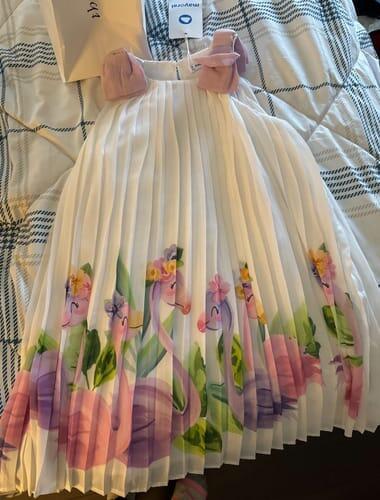
For dresses, consider lining, trims, closures and movement as well as the main fabric. The entire garment may contain more than one material.
Organic Cotton Sweaters and Layers
Check fabric weight and intended layering. Organic cotton does not automatically provide the insulation needed for cold-weather outerwear.
Organic Cotton Baby Clothes vs Kids Clothes
Babies and older kids have different functional needs. Diaper access and one-piece fit matter more for babies, while older children may prioritize active movement, school wear and dressing independence.
How Organic Cotton Kids Clothes Should Fit
Correct sizing matters regardless of fiber. Use the brand’s current chart and check normal movement rather than assuming a soft or stretchy fabric can compensate for an incorrect size.
Should You Size Up Organic Cotton Clothes?
Not automatically. Some growth room may be appropriate for certain daywear, but excessive oversizing can interfere with movement or intended sleepwear fit.
Does Organic Cotton Shrink?
Cotton garments can change dimensions depending on construction and care. Follow the exact washing and drying instructions and recheck fit after laundering.
Organic Cotton Care
How to Wash Organic Cotton Kids Clothes
Use the garment care label as the primary instruction. Do not assume every organic cotton item requires cold washing, air drying or a special detergent.
Do Organic Cotton Clothes Need Special Detergent?
Not simply because they are organic. Families may choose detergents based on household preferences or skin needs, but organic certification does not automatically require a special laundry product.
Can You Machine Dry Organic Cotton?
Follow the care label. Some garments permit machine drying while others may recommend lower heat or another method.
How to Make Organic Cotton Clothes Last Longer
Choose the correct size, follow care instructions, treat stains appropriately and avoid unnecessary high heat when the label does not call for it. Durable use can improve the value of any garment.
How to Shop Organic Cotton Kids Clothes Online
Start with the clothing category and size you need. Then check fiber percentages, the exact organic claim, any certification, care instructions and current inventory.
Step 1: Read the Fiber Percentage
A garment may be 100% organic cotton or may combine organic cotton with elastane or another fiber. Read the percentages instead of assuming the whole garment is one material.
Step 2: Identify the Certification
If certification matters to your purchase, look for the exact standard. Do not treat generic “green” or “natural” language as equivalent to certified organic content.
Step 3: Check the Garment Type
Organic content does not tell you whether the garment is pajamas, daywear, outerwear or an accessory. Choose the correct product type first.
Step 4: Check the Size Chart
Brand sizing varies. Use current measurements and the exact chart rather than age alone.
Step 5: Check Construction
Review seams, waistbands, closures, lining and stretch. The finished garment matters more to comfort than fiber marketing alone.
Step 6: Review Care
Frequent washing is common with children’s clothing. Choose care requirements that fit your household routine.
Step 7: Verify the Exact Variant
Confirm the selected size and color are available and that the product information applies to the item you are ordering.
Organic Cotton Kids Clothes by Use Case
Organic Cotton for School Clothes
School clothing needs to withstand movement, repeated washing and daily use. Evaluate durability and care alongside organic fiber preference.
Organic Cotton for Play Clothes
For active play, movement and construction matter. A premium fabric label does not make a restrictive or delicate garment ideal for playground use.
Organic Cotton for Special Occasions
Organic cotton can appear in occasion clothing, but check event timing and current size before buying. Children can outgrow special outfits quickly.

Product-level checklist: verify fibre percentage, certification, garment type, size chart, construction, care and the exact variant you are buying.
Organic Cotton for Summer
Choose fabric weight and coverage appropriate to the weather. Organic cotton can be made into both lightweight and heavier fabrics.
Organic Cotton for Winter
Organic cotton can be used as a base or indoor layer, but warmth depends on fabric construction and the complete outfit. Do not treat organic cotton as technical winter insulation.
Buying Organic Cotton Kids Clothes
Buying Organic Cotton Kids Clothes on Sale
A discount is valuable only when the size, season and garment type are useful. Avoid buying multiple future sizes simply because the organic item is marked down.
Organic Cotton Kids Clothes as Gifts
If the recipient values organic materials, verify the exact claim and certification. Also consider size, season and exchange flexibility.
Secondhand Organic Cotton Clothes
Inspect fabric, seams, elastic and closures before reuse. Organic status does not prevent ordinary wear and tear.
How to Avoid Greenwashing
Prefer specific claims—fiber percentages and named certifications—over broad phrases such as “planet-friendly,” “clean,” “natural” or “sustainable.” Specific information is easier to evaluate.
Common Organic Cotton Shopping Mistakes
- Assuming “natural” means organic.
- Assuming OEKO-TEX STANDARD 100 means organic.
- Calling organic cotton chemical-free.
- Assuming organic automatically means hypoallergenic.
- Ignoring fit and garment construction.
- Assuming every product from a brand is organic.
- Buying too many future sizes because of a sale.
- Ignoring the care label.
Organic Cotton Kids Clothes Checklist
- Choose the clothing category you actually need.
- Confirm the child’s current size.
- Read the complete fiber composition.
- Identify any organic certification.
- Check what the certification applies to.
- Review fit and construction.
- Read care instructions.
- Consider expected wear frequency.
- Keep environmental and medical claims precise.
Where to Shop Kids Clothes at Jenni Kidz
Jenni Kidz carries multiple brands and fabric types, so broad kids collections should not be presented as entirely organic unless each product has been verified. Use the store’s current category and brand collections to browse, then confirm organic cotton information on the exact garment before purchasing.
Related Guide: Organic Baby Clothes
If you are shopping specifically for infants, our Organic Baby Clothes guide explains certification, fiber claims and baby-specific buying considerations in more detail. This article remains focused on organic cotton clothing for children more broadly.
Frequently Asked Questions
Is organic cotton good for kids clothes?
It can be a useful fabric preference, but the finished garment’s fit, construction, care and intended use still determine whether it is a good choice for a particular child.
Can Organic Cotton Still Irritate Sensitive Skin?
Organic certification does not guarantee that a child will never experience irritation or allergy.
Does OEKO-TEX mean organic cotton?
No. OEKO-TEX STANDARD 100 is a harmful-substance testing standard and does not by itself certify cotton as organic.
Does GOTS certify organic textiles?
GOTS is a textile processing standard built around certified organic fibers and includes labeling requirements based on organic fiber content.
Are organic cotton clothes more durable?
Not automatically. Durability depends on fabric construction, stitching, use and care.
Should I buy organic cotton clothes one size bigger?
No general rule requires sizing up. Use the current brand size chart and the garment’s intended fit.
To compare current styles, browse Girls Clothing and Boys Clothing, then verify the exact fiber content and certification claims on each product before buying.
Related guides: Organic Baby Clothes: Certifications, Fabrics & Buying Guide and How to Build an Ethical Kids Wardrobe.
Bottom Line
Organic cotton can be a meaningful choice for kids’ clothing, but the strongest buying decision comes from precise information rather than broad promises. Verify the fiber content and certification, then judge the garment on fit, construction, care, price and how the child will actually use it.