Baby clothes shopping gets expensive when parents buy too many pieces in the wrong size, season, or category. A better strategy is to buy a small functional rotation first, confirm fit and laundry needs, then add only what is missing.
15 Baby Clothes Shopping Tips for Parents
1. Start With Size, Not Age
Age labels are only a starting point. Use the brand’s current size chart and, when available, your baby’s height and weight.
Do not buy a large quantity in newborn size before you know the baby’s birth size and growth pattern.
2. Buy for the Current Season
A six-month-ahead purchase can fail when the garment finally fits during the wrong season. Prioritize what the baby will wear in the next size window.
3. Build Around High-Use Categories
Most families get more value from everyday one-pieces, sleepers, pants, and layers than from a large number of special-occasion outfits.
Start with Baby Girls One-Pieces or Baby Boys One-Pieces when you need practical daily basics.
4. Check Fabric Composition, Not Marketing Shortcuts
Cotton, organic cotton, bamboo-derived knits, modal, fleece, wool, and blends can all be useful. Do not assume that “organic,” “natural,” or “bamboo” automatically means hypoallergenic, chemical-free, or better for every baby.
5. Inspect the Inside of the Garment
Check seams, labels, zipper guards, snaps, embroidery backing, and elastic. A premium fibre cannot compensate for a rough seam or poor fit.
6. Choose Closures for Your Routine
Two-way zippers can simplify nighttime diaper changes. Crotch snaps can be useful in bodysuits. Full-front openings can make dressing easier for newborns.
7. Use Actual Sleepwear for Sleep
Children’s sleepwear is subject to specific flammability and fit requirements. Do not assume a loose daytime outfit is equivalent to pajamas.
Browse current Baby Girls Pajamas and Baby Boys Pajamas for garments intended as sleepwear.
8. Do Not Oversize Snug-Fit Pajamas
If a pajama is designed to fit snugly, use the size chart rather than buying it intentionally loose. Correct fit should allow normal movement without painful pressure.
9. Think About Laundry Frequency
The number of outfits you need depends on how often you wash, how frequently the baby spits up or leaks through diapers, and whether clothing must also stay at daycare or another home.
A family washing daily can own fewer pieces than a family washing once per week.
10. Buy Special-Occasion Clothing Close to the Event
Babies can grow quickly. Buying a dress, suit, or holiday outfit too early increases the risk that it will not fit when needed.
11. Check Return and Exchange Rules
Before ordering multiple sizes, check whether sale items, seasonal products, or international orders have different return conditions.
12. Evaluate Environmental Claims Carefully
Broad “eco-friendly” or “non-toxic” language is not enough. Look for precise material percentages and named certifications tied to the exact product.
13. Use Cost per Wear
A practical formula is:
Cost per wear = purchase price ÷ realistic number of wears.
This helps compare a durable everyday sleeper with a lower-priced item that may only be worn once.
14. Avoid Overbuying One Size
Growth spurts are unpredictable. Keep the first wardrobe flexible and add more after you know which cuts and brands fit your baby well.
15. Keep a Simple Shopping Checklist
- Current size
- Season
- Category needed
- Fabric composition
- Closures
- Care instructions
- Intended use: daywear, outerwear, or sleepwear
- Return policy
Shop Baby Clothing
Browse the full Baby Collection, or shop Baby Girl Clothing and Baby Boy Clothing by category and size.
Shop Baby Clothes in This Order
When the cart starts getting large, use a simple priority order: need → size → season → function → style. This prevents the most common baby-clothing mistake: buying the cutest item first and discovering later that it is the wrong size, wrong season, or duplicates something already in the wardrobe.
1. Fill the High-Use Categories First
For most babies, one-pieces and sleepwear are used more often than special outfits. Start with Baby Girls One-Pieces or Baby Boys One-Pieces, then add pajamas based on your laundry routine.
2. Add Daytime Outfits After the Basics
Once the high-use categories are covered, use Baby Girl Clothing or Baby Boy Clothing to add sets, tops, pants, dresses, or seasonal pieces. This keeps the wardrobe balanced instead of overloading one category.
3. Treat Sale Price as a Filter, Not a Reason to Buy
A discounted item is still expensive if the baby never wears it. Before buying a sale piece, check the current size, likely season when it will fit, return rules, and whether the category is already covered.
Final Baby Clothes Buying Checks
Compare Brands by the Product, Not the Logo
Baby brands can fit differently. One brand may run longer through the torso while another may have a narrower or roomier cut. Use each brand’s current size chart and the fit of clothing your baby already owns rather than assuming one size is universal.
Use Cost per Wear for Higher-Priced Pieces
A more expensive garment can make sense when it will be worn often, washed repeatedly, or passed down. A special-occasion piece with one planned wear should be judged differently. Think about realistic use, not just the original price.
Do a 30-Second Cart Check Before Checkout
- Do I already own this category in the same size?
- Will this size fit during the right season?
- Can I combine it with at least two existing pieces?
- Is the care routine realistic for my household?
- If it is sleepwear, am I preserving the intended fit?
- Would I still buy it if it were not on sale?

Baby clothes shopping workflow: size first, then season, category, fabric/construction, closures, care/returns and a final cart check.
Best Starting Collections
If you are still deciding what is missing, begin with the full Baby Collection. If you already know the child’s category, go directly to Baby Girl Clothing or Baby Boy Clothing and narrow from there.
Related guide: Baby Clothes Brands in Canada: Comparison & Buying Guide.
Related guides: Where to Buy Baby Clothes With Fast Shipping · Where to Buy Newborn Clothes Online · Dressing Your Baby for Comfort and Style
Shopping for a gift instead of a wardrobe? Use the Baby Clothes Gift Guide to choose by size, season and occasion.
Buying everyday one-pieces? Use How to Choose Baby Rompers & One-Pieces to compare fit, closures and practical use.
Comparing premium pieces? Before paying more for a brand or fabric story, use Luxury Baby Clothes: Worth the Splurge? to compare construction, durability, comfort and cost.
Bottom Line
The best baby shopping strategy is a small, correctly sized, season-appropriate wardrobe that you expand based on real use. Fit, construction, and practicality should come before fabric buzzwords or buying large quantities “just in case.”
More Ways to Shop Smarter
Use our budget-friendly kids clothing guide to compare value rather than discount alone, and see where to buy newborn hats and clothing when building a starter wardrobe.
Build a Baby Wardrobe by Use Case
A practical baby wardrobe starts with what happens during a normal week. A newborn at home, a six-month-old starting daycare and a mobile toddler need different quantities and garment types. Before adding items to cart, map the high-frequency moments: sleep, diaper changes, floor play, daycare, outdoor trips, special occasions and laundry days.
Newborn stage
Prioritize easy changes and a small rotation. One-pieces, sleepwear and a few simple layers usually deserve more space than dressy outfits. Avoid buying a large amount in newborn size until you know the baby’s fit and growth pattern.
Older baby stage
Movement increases, so stretch, leg openings, waistbands and closures matter more. Add pieces that work for sitting, crawling and floor play while keeping diaper access practical.
Toddler transition
As independence grows, clothing that is easier to pull on, remove and combine can become more useful. Daycare requirements, outdoor play and toilet-learning readiness may change the ideal wardrobe.
How to Read a Baby Clothing Product Page
Title and garment type
Confirm what you are actually buying. “Romper,” “one-piece,” “sleeper,” “bodysuit” and “set” can describe different constructions. Product photos help, but the written details should confirm the garment format.
Fibre composition
Read the percentages instead of relying on a marketing label such as “bamboo,” “organic” or “premium cotton.” The finished blend affects stretch, feel and care.
Size information
Use measurements when the brand provides them. Age ranges are convenient labels, not precise body measurements.
Care instructions
Care affects whether a garment is realistic for your household. A beautiful piece that requires a routine you will not follow may deliver poor value.
How Many Baby Clothes Do You Really Need?
There is no universal number. Estimate quantity from laundry frequency, how often clothing changes are needed and whether the child attends daycare. A family washing daily may need fewer backups than a family washing twice a week.
Instead of buying an arbitrary checklist quantity, track what runs out first during one normal week. That category is the next place to add inventory.
Shopping by Season Without Wasting Sizes
Calculate when the child is likely to wear the garment, then compare that timing with the size. Buying a winter coat six months early or swimwear several sizes ahead creates forecasting risk. Seasonal clearance can be valuable, but only when the likely size and use align.
Baby Clothing Price vs Value
Value is a combination of fit, frequency of wear, care, durability and price. Use cost per wear for frequently used pieces. A sleeper worn dozens of times can justify a different budget than a one-event outfit.
Online Shopping: Reduce Returns Before Checkout
- Confirm the garment type.
- Check the current size and measurements.
- Review fibre composition.
- Inspect front, back and detail photos.
- Check closures and diaper access.
- Read care instructions.
- Confirm what is included in a set.
- Review return conditions.
- Check whether the item fills a real wardrobe gap.
Common Baby Clothes Shopping Mistakes
- Buying too much in the smallest size.
- Buying future-season clothing too far ahead.
- Choosing by brand before checking the exact garment.
- Assuming “organic” or “bamboo” answers every fabric question.
- Automatically sizing up snug-fit sleepwear.
- Ignoring laundry and care requirements.
- Buying a sale item without a real use case.
Baby Clothing FAQs
Should I buy newborn or 0–3 month size?
Use the brand’s size information and any known measurements. Different brands define age labels differently.
Is it smart to buy baby clothes one size bigger?
Not as a blanket rule. Correct current fit matters, and some categories—especially sleepwear—have intended fit requirements.
Which baby clothes are worth spending more on?
Consider spending based on frequency of use and the features you value. High-use sleepwear, outerwear or everyday basics may justify a different budget than occasional clothing.
How do I avoid buying too many baby clothes?
Start small, observe the laundry cycle and add pieces only to categories that repeatedly run out.
Baby Clothes Shopping Plan by Budget
A budget works better when it is divided by use rather than spread evenly across every category. Put the largest share toward pieces the baby will wear repeatedly in the current size. Keep a smaller amount for seasonal outerwear, special occasions and optional extras.
Prioritize frequent-use clothing
One-pieces, sleepwear and everyday layers often produce the highest number of wears. Compare price, fabric, fit and care together instead of choosing the lowest price in isolation.
Reserve budget for seasonal needs
Winter outerwear, swimwear and rainwear are more dependent on season and climate. Buy them close enough to the season that sizing is reasonably predictable.
Use sales for planned purchases
A markdown is valuable when the product already fits a wardrobe need. Avoid adding an item simply because the discount percentage is large.

A fast cart check catches the most common mistakes: wrong size, wrong season, duplicate category, unrealistic care, poor sleepwear fit or buying only because of a sale.
How to Compare Baby Clothing Brands
Brand reputation can help you build a shortlist, but the exact garment should make the final decision. Compare size charts, fibre composition, garment construction, care requirements, current price and available sizes.
If one brand fits your child particularly well, that information can make future shopping faster. Still check each product because brands can use different cuts and fabrics across categories.
One-Piece, Romper, Bodysuit or Sleeper?
These terms can overlap in casual shopping language, but the garment construction and intended use matter. A bodysuit typically fastens around the diaper area; a romper may include leg coverage or a fashion-oriented design; a sleeper is intended as sleepwear; “one-piece” is a broader description. Read the product details rather than buying from the title alone.
Browse Baby Girls One-Pieces and Baby Boys One-Pieces when one-piece basics are the wardrobe gap.
How to Shop Baby Clothes for Daycare
Daycare clothing needs to be practical. Ask what the centre expects parents to provide and label garments clearly. Easy changes, washable fabrics, comfortable movement and enough backups may matter more than creating coordinated outfits.
Build the daycare rotation only after you know how often clothes come home dirty and how frequently you wash them.
How to Shop for Travel
Travel wardrobes should account for destination weather, laundry access and luggage space. Choose pieces that combine easily, pack at least one accessible backup outfit and avoid depending on one special garment for several different situations.
Flying with a baby
Keep a change of clothes where it can be reached without opening checked luggage. A simple one-piece or sleeper can reduce the number of separate items needed during a long travel day.
Special-Occasion Baby Clothes
Buy close enough to the event that sizing is more predictable. Check whether the garment allows comfortable sitting and movement, whether closures make diaper changes practical and whether the care requirements make sense for a one-event outfit.
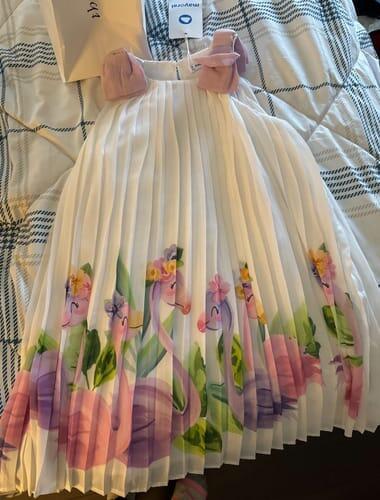
For dresses, browse Baby Girls Dresses. For coordinated brand options, explore Mayoral.
Baby Clothing Fabric Comparison Framework
| Question | What to check |
|---|---|
| How does it feel? | Finished knit, seams, labels and stretch |
| How will it fit? | Size chart, torso length, openings and intended cut |
| How will it wash? | Care label and realistic household laundry routine |
| Is there a special claim? | Exact certification or product-specific evidence |
| Is it right for the season? | Fabric weight, layers and actual climate |
Organic, Bamboo and Sustainability Claims
Do not treat these words as interchangeable quality scores. Organic cotton describes a production standard when supported by the relevant claim; bamboo-derived fabrics should be identified from the fibre label; sustainability claims should be evaluated by the evidence provided for the exact product or certification.
For a deeper comparison, see Bamboo Baby Clothes and Organic Baby Clothes.
When to Buy the Next Size
Watch the fit rather than the age label alone. Signs that a garment is being outgrown can include restricted movement, insufficient torso length, tight openings or footed sleepwear becoming short in the foot or body. Move to the next size when the current garment no longer fits as intended.
How to Build a Baby Clothes Registry Without Overbuying
Registries work best when they spread useful clothing across near-term sizes and categories rather than collecting many duplicate newborn outfits. Include practical basics, but leave room to learn which brands and garment types fit the baby best after birth.
What to Buy New vs What to Accept as Hand-Me-Downs
For ordinary clothing, condition and fit are more useful decision factors than whether an item is new. Inspect used garments for damage, worn closures, stretched elastic and care condition. For safety-regulated products, use the applicable current safety guidance rather than treating them like ordinary clothing.
Baby Clothes Shopping Workflow
- List the wardrobe gaps.
- Check the child’s current measurements.
- Choose the garment category.
- Filter to the useful size.
- Compare fibre, construction and care.
- Check current price and expected use.
- Review product photos and details.
- Confirm return conditions.
- Remove impulse items that duplicate what you already own.
More Baby Clothes Shopping FAQs
How far ahead should I buy baby clothes?
Buy current and near-future needs with more confidence than distant seasonal sizes. The farther ahead you buy, the greater the sizing risk.
Should I buy the same outfit in multiple sizes?
Only after you know the style works well. Fit and seasonal timing can change the value of a duplicate.
How do I shop baby clothes online without touching the fabric?
Use fibre composition, close-up photos, product description, reviews when available and the return policy. Test a new brand with a small order before buying multiples.
What is the most important baby clothing category?
There is no universal answer, but frequent-use basics and sleepwear generally deserve attention before occasional outfits.
How can I spend less without buying lower-value clothing?
Buy fewer duplicates, use sales for planned needs, compare cost per wear and avoid speculative future sizing.
How to Prioritize a Baby Clothes Cart
When the cart is larger than the budget, rank items by urgency and expected use. Keep current-size basics that fill a real gap first. Next, keep seasonal items the baby will need soon. Then evaluate special-occasion pieces and duplicates. Remove speculative future sizes and items that only entered the cart because of a discount.
A simple test is to ask: “When will the baby wear this, what will it replace or combine with, and how many times is it likely to be used?” If those answers are unclear, the item is a candidate to remove.
Use Past Purchases to Make the Next Order Better
After a few weeks, note which brands fit well, which closures you prefer, which fabrics fit your laundry routine and which categories run out first. That household data is more useful than a generic checklist. Future orders can become smaller and more accurate because you are buying from observed use rather than prediction.
Keep measurements and successful sizes for reference, but re-check them as the baby grows. A brand that fit well three months ago may still require a different size today.
Final Rule: Buy for the Baby You Have Now
The strongest shopping strategy is current-need first. Use size charts, product details and your real routine to choose clothing the baby can use now or soon. Sales, trends and future-size speculation should remain secondary to fit, comfort, season and frequency of wear.
Gift Receipts and Returns
When buying baby clothing as a gift, include a gift receipt when available and avoid removing tags. Size and season are difficult to predict for another child, so an easy exchange can be more valuable than guessing a larger future size.