Dressing a baby through changing seasons is easier when you separate three questions: What is the actual indoor or outdoor temperature? What activity is the baby doing? What layers can be added or removed easily? A calendar season is only a starting point because spring can be cold, winter homes can be warm and summer rooms can be heavily air-conditioned.
For current baby clothing, browse Baby Girl Clothes and Baby Boy Clothes, then choose layers and categories according to the environment.
Seasonal Baby Dressing Starts With the Environment
Outdoor temperature, wind, rain, sun, indoor heating and air conditioning all change what a baby needs. Use flexible layers instead of relying on one fixed outfit for an entire season.
Indoor vs Outdoor Baby Clothing
A warm indoor room may require fewer layers than a cold stroller walk outside. Remove unnecessary outer layers after coming indoors rather than leaving the baby dressed for outdoor conditions.
Why Layers Work Well for Babies
Layers can be added and removed as conditions change. A simple base plus a sweater or outer layer is usually easier to adjust than one extremely heavy indoor garment.
Base Layers for Babies
One-pieces, lightweight tops and other comfortable basics can form the foundation of an outfit. Choose the fabric weight for the actual room or weather.
Mid Layers for Babies
Sweaters, sweatshirts and similar pieces can add warmth while remaining removable when conditions change.
Outer Layers for Babies
Jackets, rainwear and winter outerwear should match the actual outdoor environment. Technical protection is a separate job from indoor styling.
How to Dress a Baby for Spring
Spring often changes from cool mornings to warmer afternoons. Use flexible layers that can be removed during the day instead of dressing for the coldest moment only.
Spring Baby Clothing Essentials
- Comfortable one-pieces or tops.
- Light pants or leggings.
- A sweater or sweatshirt.
- A light jacket when needed.
- Weather-appropriate rain protection for outdoor plans.
Spring Baby Fabrics
Lightweight cotton knits and other easy-care fabrics can work well indoors, while outer layers should be chosen for wind or rain when needed. Fabric weight matters more than the fiber name alone.
Spring Morning Outfit
Start with a base outfit plus a removable sweater or jacket. If the day warms, the baby can return to the lighter base layer.
Spring Afternoon Outfit
As temperatures rise, avoid leaving the baby in layers chosen for the early morning. Reassess before stroller walks, car rides and naps.
Spring Rainy-Day Outfit
For wet outdoor conditions, use appropriate rain protection rather than relying on thick everyday clothes to keep the baby dry.
Spring Travel Outfit
Travel can move between cool outdoor air, cars and warm indoor spaces. Keep removable layers accessible.
How to Dress a Baby for Summer
Summer dressing should reflect heat, humidity, sun exposure and indoor air conditioning. Lightweight clothing and simple outfits can reduce unnecessary layers.
Summer Baby Clothing Essentials
- Lightweight one-pieces.
- Short-sleeve tops where appropriate.
- Light pants, shorts or rompers depending on age and activity.
- A light layer for air-conditioned spaces.
- Weather-appropriate sun protection for outdoor time.
Summer Baby Fabrics
Look at fabric weight and finished construction. Cotton and other lightweight knits can feel comfortable, but no fiber label guarantees that every garment will feel cool in every environment.
Summer Indoor Clothing
Air-conditioned homes, stores and restaurants can be cooler than outdoor conditions. Bring a lightweight layer when the temperature difference is significant.
Summer Stroller Outfits
Choose lightweight clothing appropriate to the weather and avoid adding unnecessary covers or heavy layers that trap heat.
Summer Car Travel
Cars can become very warm before cooling down. Adjust clothing for the actual vehicle environment and follow the car-seat manufacturer’s guidance about bulky clothing under the harness.
Summer Evening Outfits
Evenings can be cooler than the afternoon. A lightweight sweater or layer can extend the same daytime outfit.
How to Dress a Baby for Fall
Fall usually rewards flexible layering. Temperatures can change quickly, and indoor heating may begin before outdoor weather becomes consistently cold.
Fall Baby Clothing Essentials
- Long-sleeve tops or one-pieces.
- Pants or leggings.
- Sweaters and sweatshirts.
- A light-to-medium jacket depending on weather.
- Rain protection where needed.
Fall Baby Fabrics
Medium-weight knits and comfortable layers can work well. Choose fabric weight based on actual temperatures rather than assuming every fall day needs heavy clothing.
Early Fall Outfits
Use lighter layers that can be removed when afternoons remain warm.
Late Fall Outfits
As temperatures drop, add warmer layers and transition toward winter outerwear when outdoor conditions require it.
Fall Daycare Outfits
Choose easy layers that caregivers can add or remove. Label removable items clearly when needed.
How to Dress a Baby for Winter
Winter dressing depends heavily on whether the baby is indoors, in a stroller, in a carrier or traveling in a car. Separate indoor clothing from technical outdoor protection.
Winter Baby Clothing Essentials
- Comfortable indoor base layers.
- Warm sweaters or mid layers.
- Weather-appropriate outerwear.
- Warm accessories for outdoor use when appropriate.
- Proper winter footwear for mobile babies and toddlers when needed.
Winter Indoor Clothing
Heated indoor environments may not require very heavy clothing. Dress for the actual room and remove outdoor gear once inside.
Winter Stroller Outfits
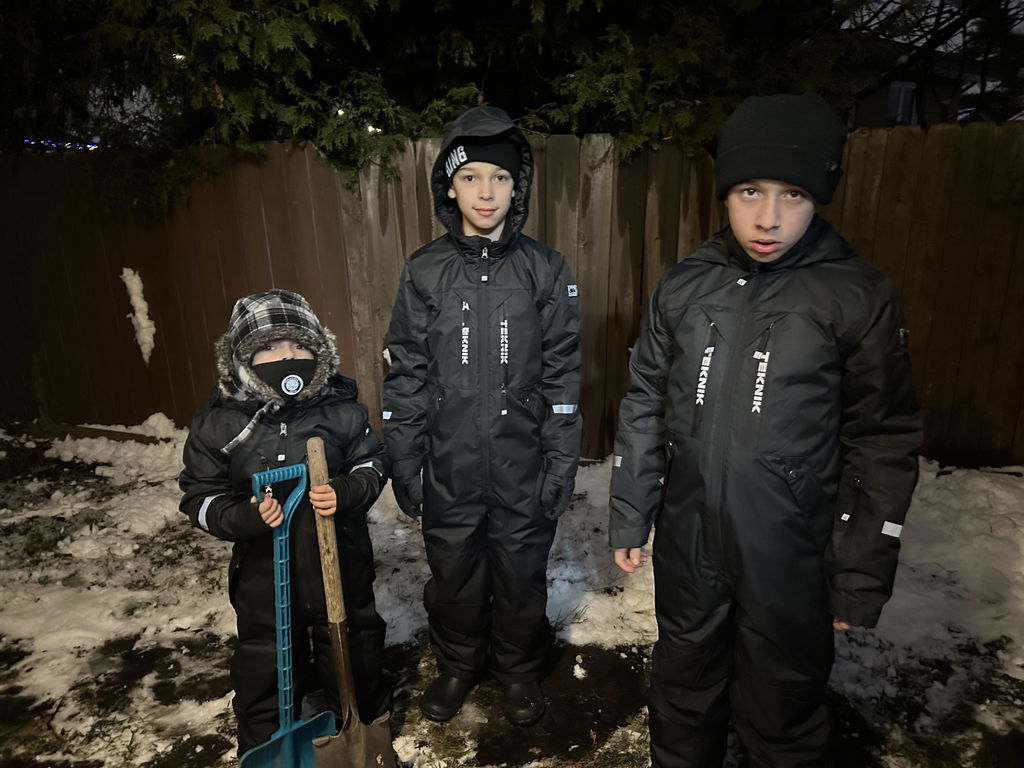
Outdoor stroller time can require insulated clothing and protection from wind or snow depending on conditions. Check the baby frequently and adjust as needed.
Winter Car Seat Clothing
Bulky outerwear can interfere with correct harness fit. Follow the car-seat manufacturer’s instructions and current safety guidance instead of placing thick coats or snowsuits under the harness when not permitted.
Baby Snowsuits
For outdoor winter protection, browse Kids Snowsuits and use the product-specific size, temperature and technical information provided for the garment.
Baby Girls Winter Clothing
Browse Baby Girls Winter Clothing when you need current winter layers and outerwear for baby girls.
Baby Boys Winter Clothing
Browse Baby Boys Winter Clothing for current baby boy winter layers and outerwear.
Winter Sleepwear Is an Indoor Decision
Do not choose bedtime clothing from the outdoor forecast alone. The sleeping room temperature and the specific sleepwear product matter more.
Transitioning Baby Clothes Between Seasons
How to Transition From Winter to Spring
Do not replace every winter garment at once. Keep a light sweater and jacket available while gradually switching to lighter base outfits.

Seasonal dressing starts with the actual environment: reuse core basics, then add spring rain layers, summer lightweight clothing, fall layers and winter outdoor protection.
How to Transition From Spring to Summer
Move toward lighter clothing as daily temperatures rise, while keeping a removable layer for cool mornings and air-conditioned spaces.
How to Transition From Summer to Fall
Use summer basics under sweaters and light jackets. This extends the wardrobe instead of requiring a complete seasonal reset.
How to Transition From Fall to Winter
Add insulation and weather protection in response to actual temperatures, snow and wind rather than a specific calendar date.
Seasonal Baby Sizing
Babies can grow through several sizes in a year. Future-season purchases are difficult because size and weather timing may not align.
Should You Buy Winter Clothes in Summer?
Only selectively. A discount is less useful when the baby reaches the size in the wrong season or grows differently than expected.
Should You Buy Summer Clothes in Winter?
The same caution applies. If buying ahead, consider likely size, local climate and exchange limitations.
How Much Growth Room for Seasonal Clothes?
Growth room depends on the garment. Everyday tops can tolerate some extra room, while sleepwear and technical outerwear may have more specific fit requirements.
Seasonal Baby Clothes by Age
Seasonal Clothing for Newborns
Before birth, keep the wardrobe flexible because birth size and early growth are uncertain. Avoid buying large quantities of highly seasonal newborn-size clothing.
Seasonal Clothing for 3–6 Months
Rapid growth makes current measurements important. Use layers that work across several weeks rather than overstocking one size.
Seasonal Clothing for 6–12 Months
Crawling and standing increase the need for mobility. Seasonal clothing should not create excess bulk around knees, feet or hands.
Seasonal Clothing for 12–24 Months
Mobile toddlers may need more durable outerwear, practical pants and easy-on layers. Choose clothing according to activity as well as temperature.
Baby Clothing by Weather Condition
Baby Clothing for Rain
Rain protection should come from appropriate outer layers. Thick cotton clothing does not replace waterproof or water-resistant outerwear when staying dry is the goal.
Baby Clothing for Wind
Wind can make outdoor conditions feel colder. Use an appropriate outer layer rather than simply stacking many indoor garments.
Baby Clothing for Snow
Use technical winter gear suited to the activity, temperature and duration outdoors. Product-specific details matter.
Baby Clothing for Heat Waves
Reduce unnecessary layers and move activities to cooler environments as appropriate. Lightweight clothing should be chosen for the actual conditions.
Baby Clothing for Air Conditioning
Carry a light layer so the baby can move between hot outdoor conditions and cool indoor spaces without requiring a completely different outfit.
Seasonal Baby Clothes by Routine and Occasion
Seasonal Baby Clothes for Daycare
Send removable layers and weather items according to the facility’s requirements. Keep spare clothing appropriate to the current season.
Seasonal Baby Clothes for Travel
Pack for the destination, not the weather at home. Check the forecast close to departure and choose versatile layers.
Seasonal Baby Clothes for Family Photos
Choose event-appropriate styling but make sure the outfit also works for the real temperature. A coordinated photo look should not require the baby to be uncomfortable.
Seasonal Baby Clothes as Gifts
Consider what season it will be when the baby is likely to fit the size. A winter outfit in the wrong future size may never be worn.
Fabric Myths Across Seasons
No single fiber is automatically best for all seasons. Construction, thickness, stretch, moisture behavior and the complete outfit all affect comfort.
Organic Cotton by Season
Organic cotton can appear in lightweight and heavier fabrics. Organic certification does not determine the garment’s warmth by itself.
Bamboo-Derived Fabrics by Season
Bamboo-derived knits can vary in weight and construction. Do not treat the fiber name as a guarantee of cooling or temperature regulation.
Polyester and Technical Fabrics by Season
Synthetic fibers can be useful in outerwear and performance layers where weather resistance, insulation or drying characteristics are important.
Seasonal Baby Clothing Shopping Checklist
- Check the actual environment.
- Separate indoor and outdoor needs.
- Choose removable layers.
- Confirm the current size.
- Consider the activity.
- Use technical outerwear when weather protection is needed.
- Avoid overbuying future seasonal sizes.
- Review product care and technical information.
Shop Baby Clothes for the Current Season
Start with Baby Girl Clothes and Baby Boy Clothes. Then narrow to the garment type and weather protection the baby actually needs.
Frequently Asked Questions
What should a baby wear in spring?
Use a comfortable base outfit with removable layers that can adapt as temperatures change.
What should a baby wear in summer?
Choose lightweight clothing appropriate to heat and sun conditions, while keeping a light layer available for cool indoor spaces when needed.
What should a baby wear in fall?
Use long sleeves, pants and flexible layers, adding warmer outerwear as temperatures drop.
What should a baby wear in winter?
Use comfortable indoor layers and appropriate technical outerwear for actual outdoor conditions. Follow car-seat guidance for bulky clothing.
Should I buy baby clothes one season ahead?
Only selectively, because growth and seasonal timing are difficult to predict.
Related guide: The Ultimate Guide to Baby Clothes Shopping: Tips for Parents.
Related guides: Autumn Jackets for Toddlers · Fall Outfit Ideas for Baby Boys · Fall & Winter Outfit Ideas for Baby Girls
Need a simpler everyday outfit system? See Dressing Your Baby for Comfort and Style for fit, movement, layering and practical outfit combinations.
Shopping a warm newborn layer? See What Baby Sweaters Are Best for Newborns? for fit, closures, fabric weight and layering guidance.
Bottom Line
The easiest way to dress a baby through every season is to respond to the real environment instead of the calendar. Use correct sizing, flexible layers and weather-appropriate outerwear, then adjust as the baby grows and conditions change.

Before buying ahead, check current size, likely season of use, indoor versus outdoor needs, routine, real weather gaps and available hand-me-downs.
Seasonal Baby Clothing Decision Matrix
| Season | Main buying question | Categories to review |
|---|---|---|
| Spring | How variable and wet is the weather? | Layers, rainwear, light jackets |
| Summer | How hot is the environment and what sun exposure is planned? | One-pieces, lightweight outfits, swimwear |
| Fall | How quickly are mornings/evenings cooling? | Pants, tops, sweaters, light outerwear |
| Winter | How cold, windy and wet are outdoor conditions? | Layers, snowsuits, hats, mittens |
How to Buy Ahead Without Missing the Season
The farther ahead you buy, the more uncertain the size becomes. Current and near-term seasonal needs are easier to predict. Clearance purchases can offer value, but only when the likely size and season align.
Spring Baby Clothing
Spring often rewards removable layers. Start with everyday clothing that works indoors, then add a light layer or appropriate rain protection for outdoor conditions. Avoid treating one warm afternoon as proof that all cold-weather layers are finished for the season.
Summer Baby Clothing
Use lightweight, comfortable garments suited to the actual environment. For water activities, choose purpose-designed swimwear and verify any UPF claim on the exact product. See Best Baby Clothes for Summer.
Fall Baby Clothing
Build from current basics and add removable sweaters or hoodies. Fall purchases should bridge temperature changes rather than duplicate a full winter wardrobe too early.
Winter Baby Clothing
Separate indoor clothing from technical outdoor needs. Compare snowsuits by fit, warmth guidance, water protection, wind protection and mobility. Browse Kids’ Snowsuits and use the Snowsuit Sizing Guide.
Seasonal Clothing for Daycare
Ask what the daycare requires for spare clothing and outdoor play. Label pieces clearly and choose garments caregivers can change efficiently. Weather gear should match the local conditions and daycare routine.
Travel Between Different Climates
Pack for the destination rather than the weather at home. Use layers that can be removed during travel and keep a change of clothing accessible. Avoid buying an entirely new wardrobe when a few destination-specific layers solve the gap.
Seasonal Shopping Mistakes
- Buying too far ahead in uncertain sizes.
- Replacing an entire wardrobe at the first weather change.
- Using outdoor temperature alone to choose sleepwear.
- Buying winter outerwear before checking fit and specifications.
- Assuming every summer garment has a UPF rating.
- Ignoring rain and wind while focusing only on temperature.
Seasonal Baby Clothing Checkout Checklist
- Check current measurements.
- Review the next 4–8 weeks of likely use.
- Identify actual wardrobe gaps.
- Choose layers before duplicates.
- Verify technical claims on the exact product.
- Check care instructions.
- Review returns before buying ahead.
Seasonal Wardrobe Planning by Baby Age
Newborn
Keep the wardrobe small and flexible because growth can be rapid. Buy current-season basics first and avoid predicting distant seasonal sizes with high confidence.
Older baby
Movement increases, so seasonal clothing should still allow crawling, sitting and floor play. Check leg openings, waistbands and layers for mobility.
Mobile toddler
Outdoor activity becomes a larger factor. Rain gear, winter outerwear and easy-to-manage layers may deserve more attention than they did during the newborn stage.
Seasonal Capsule: What Carries Over?
Many pieces can cross seasons. A lightweight long-sleeve top may work under a sweater in fall and indoors during winter. Simple pants can continue across several months. Before buying a new seasonal wardrobe, identify which current pieces still fit and can be layered.
Spring Rainwear Buying Decisions
For wet weather, compare one-piece rain suits with jacket-and-pant systems based on the child’s age and routine. Verify the exact product’s water-protection claim and check whether the garment is insulated or intended as a shell.
Browse Girls Rain Suits and Boys Rain Suits for current options.
Summer Swimwear and Sun Coverage
Buy swimwear for actual water use rather than simply because summer is approaching. Check fit, diaper requirements for babies and any product-specific UPF claim. Clothing is only one part of sun safety.
Browse Baby Girls Swimwear and Baby Boys Swimwear.
Fall Layering Without Overbuying
Fall often needs fewer new pieces than parents expect. Start with existing tops and bottoms, then add removable sweaters or hoodies. Delay true winter outerwear decisions until sizing and weather needs are clearer.
Winter Outerwear Purchase Workflow
- Measure the child.
- Identify the main outdoor use.
- Choose one-piece or two-piece construction.
- Compare warmth guidance.
- Compare water and wind protection.
- Check intended layers.
- Test movement.
- Review boots, mittens and hat compatibility.
Seasonal Clothing Budget Strategy
Allocate more budget to categories that solve real seasonal problems and receive frequent use. Technical winter outerwear may justify a different budget than a one-event holiday outfit. Use cost per wear and current need rather than dividing spending evenly across seasons.
Seasonal Storage and Size Transitions
At the end of a season, remove clothing that is already too small and store only pieces with realistic future value. Before the next season begins, re-check measurements rather than assuming stored clothing will still fit.
Seasonal Baby Clothing FAQs
Should I buy next summer’s clothes during this summer’s sale?
Only if you accept the sizing risk. The farther ahead you buy, the harder it is to predict useful size and timing.
Do babies need a completely different wardrobe every season?
No. Many basics can carry across seasons through layering.
When should I buy a winter snowsuit?
Buy early enough to have useful size availability and time for exchanges, but close enough to the season that measurements are meaningful.
Should seasonal sleepwear follow outdoor temperature?
Use the actual sleep environment and garment guidance rather than outdoor weather alone.
Use the Forecast as a Buying Signal, Not a Shopping Trigger
A short warm spell or early cold snap does not always require a new wardrobe. Check whether existing layers can handle the next several weeks before buying. Seasonal purchases make more sense when the weather change is sustained and the child has a real size or category gap.
For fast-changing shoulder seasons, removable layers often provide more value than several highly specific outfits. When technical rain or winter gear is required, choose it from product specifications and current fit rather than from the calendar date alone.
Seasonal Hand-Me-Down Check
Before buying new seasonal clothing, inspect any hand-me-downs in the expected size. Confirm condition and current fit first. Reusing a suitable piece can free budget for categories where the child has a genuine weather or size gap.