Choosing between baby clothing brands in Canada is easier when you compare the details that actually affect the purchase: fit, garment type, fabric, season, care, price and current size availability. There is no single brand that is automatically best for every baby, every category or every budget.
Jenni Kidz is a multi-brand retailer, so this guide is designed to help parents compare the brands available in our current assortment without treating brand reputation as a substitute for product-level information. For broad shopping, start with Baby Girl Clothes or Baby Boy Clothes.
Why Baby Clothing Brands Feel Different
Two garments labeled 6M can fit differently because brands use different pattern blocks, grading, fabric stretch and intended silhouettes. Brand identity may also influence prints, color palettes, technical features and the categories each label emphasizes.
Compare Fit Before Brand Reputation
Use the current size chart for the exact brand and garment. Previous experience is helpful, but one style can fit differently from another even within the same brand.
Compare Fabric at the Product Level
Do not assume an entire brand uses one fiber. A brand can offer cotton, organic cotton, polyester, viscose, bamboo-derived fabric or blends across different styles and seasons.
Compare Garment Construction
Closures, linings, stretch, waistbands, cuffs and stitching affect comfort and function. These details often matter more than the logo on the label.
Compare Care Requirements
Baby clothes are washed frequently. Check whether the garment’s care instructions fit your household routine before buying.
Compare Price by Expected Use
A higher-priced garment can offer value when it is worn frequently and fits well, but price alone does not prove better quality. Consider cost per wear rather than only the initial price.
Compare the Category the Brand Is Offering
A brand that works well for sleepwear may not be the first collection you browse for winter outerwear, and a strong occasionwear collection may not be the same place you look for everyday basics.
Baby Clothing Brands at Jenni Kidz
The brands below appear across different baby and kids categories at Jenni Kidz. Availability, materials and product types change by season, so verify the exact garment rather than extending one claim to an entire brand.
Petit Lem
Browse Petit Lem for current baby and kids clothing, including sleepwear and everyday categories when available. Check each product’s composition and size chart individually.
Hatley
Browse Hatley for current baby and kids styles across categories such as daywear, sleepwear and seasonal clothing depending on the assortment.
Deux par Deux
Browse Deux par Deux for current fashion and outerwear. The brand is especially relevant to Jenni Kidz shoppers comparing winter clothing, but technical specifications vary by garment.
Mayoral
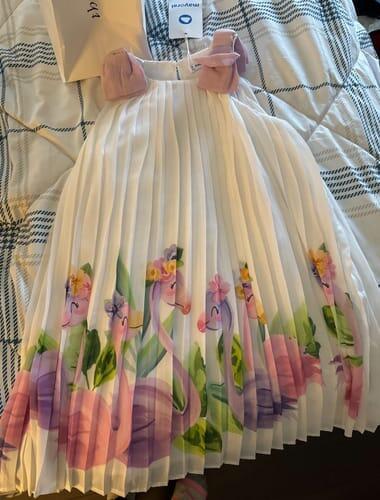
Browse Mayoral for a broad assortment of baby and kids clothing that can include outfits, dresses, tops, bottoms and seasonal styles.
Miles The Label
Browse Miles The Label for modern baby and kids styles. Verify fabric and fit product by product.
Joules
Browse Joules for current prints, knitwear, dresses and other baby or kids styles when available.
Angel Dear
Browse Angel Dear for current baby clothing and soft everyday styles. Material composition can vary, so check each product.
Levi’s
Browse Levi’s for current baby and kids denim and casual clothing where available. Fit and fabric can vary by style.
Converse
Browse Converse for current baby and kids items where available. Choose by actual category and size rather than brand name alone.
Me & Henry
Browse Me & Henry for current baby and kidswear. Use the product information to evaluate fabric, construction and size.
Which Brand Is Best for Baby Pajamas?
There is no universal winner. Compare the pajamas currently available in the correct size, then check fabric, intended fit, closures and care. Browse Baby Girls Pajamas and Baby Boys Pajamas to compare current options across brands.
Which Brand Is Best for Baby One-Pieces?
Compare torso length, diaper access, fabric stretch and closures rather than choosing by reputation alone. Browse Baby Girls One-Pieces and Baby Boys One-Pieces.
Which Brand Is Best for Canadian Winter Clothing?
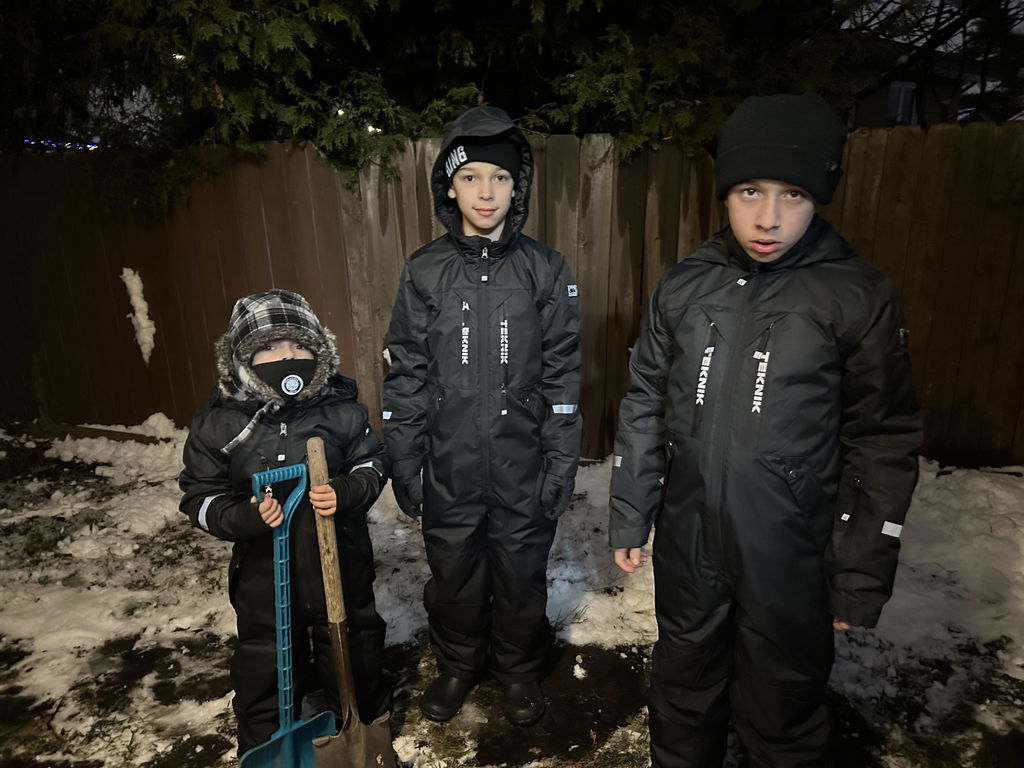
Winter outerwear should be compared by the product’s technical details, intended temperature range when provided by the manufacturer, waterproof or water-resistant features, insulation, fit and layering needs. Browse Kids Snowsuits to compare current winter options.
Which Brand Is Best for Everyday Baby Clothes?
Everyday clothing should fit the baby’s routine and laundry cycle. Look for comfortable construction, useful closures and pieces that coordinate with the rest of the wardrobe.
Which Brand Is Best for Special Occasions?
Choose the outfit that matches the event, current size and weather. Brand is secondary to fit, comfort and the level of formality required.
Which Brand Is Best for Gifts?
For gifts, exchange flexibility, size and season matter. A familiar brand can make shopping easier, but it does not remove the need to choose the correct garment.
Which Brand Is Best for Organic Baby Clothes?
Do not label a whole brand organic because one product uses organic cotton. Verify the exact fiber composition and certification on the specific garment.
Which Brand Is Best for Sensitive Skin?
No clothing brand can guarantee that every garment will prevent irritation. Evaluate fabric surface, seams, fit, heat, detergent and the child’s individual response.
Baby Clothing Brand Sizing
Brand size charts can differ, and age labels are not standardized enough to replace measurements. Check the chart attached to the exact garment whenever possible.
Newborn Size Differences Between Brands
Some newborn garments are cut smaller or longer than others. Avoid buying a large newborn wardrobe from one brand before the baby’s actual size is known.
0–3 Month Size Differences
A baby can fit different labeled sizes at the same time across brands. Use fit and measurements rather than trying to make all labels match.
Long-Torso Babies
One-piece garments can become restrictive through the torso even when sleeve length looks acceptable. Some brands or styles may fit a long torso better, but the exact product matters.
Babies With Chunkier Thighs
Check leg openings, seat room and diaper space. Another cut may fit better than simply sizing up across the entire wardrobe.
Stretchy vs Structured Brand Fits
Stretchy knit clothing can adapt differently from woven or structured garments. Do not use one size expectation across all fabric types.

Brand comparison works best at product level: compare fit, fibre, construction, care, expected use, category and verified claims before choosing by reputation.
Baby Clothing Brand Quality: What to Inspect
Look at seam construction, closures, fabric recovery, trim attachment and how the garment behaves after normal washing. Quality is a product-level observation, not something a store should assume from price or branding alone.
Does a Higher Price Mean Better Quality?
Not necessarily. Higher prices can reflect design, licensing, material, production, import costs or brand positioning. Compare the actual garment and your expected use.
Premium vs Budget Baby Clothes
A premium piece can make sense for frequent use or a specific feature, while lower-priced basics may be practical for short growth stages. A mixed wardrobe can be more rational than choosing only one price tier.
Durability Across Brands
Durability depends on fabric weight, stitching, care and use. One garment from a brand can outlast another style from the same brand because construction differs.
Brand Style Differences
Some collections emphasize prints, some classic silhouettes, some modern basics and some technical outerwear. Style is a personal preference and can be mixed across brands.
Can You Mix Baby Clothing Brands?
Yes. Tops, bottoms, outerwear and sleepwear do not need the same label. Mixing brands can help families choose the best fit and function for each category.
How to Build a Multi-Brand Baby Wardrobe
Start with high-use basics, then add categories according to need. Use whichever brand offers the right size, fabric and design rather than forcing the whole wardrobe into one label.
How to Compare Brands Online
Open the size chart and product information for each garment. Compare composition, care, closure design, available variants and price before deciding.
How to Compare Brands In Person
If you already own garments from several brands, use them as fit references. Measure pieces that fit well and compare those dimensions with the next purchase when useful.
Canadian Climate Considerations
Canada contains many climates, so no single brand or fabric handles every season. Families may need lightweight summer clothing, indoor layers, rainwear and insulated winter outerwear at different points of the year.
Canadian Winter Shopping
For winter gear, focus on technical specifications and actual outdoor conditions rather than choosing a brand because it is Canadian, European or premium.
Canadian Summer Shopping
Fabric weight, sun coverage and local temperatures matter. Brand country of origin does not determine whether a garment suits the summer environment.
Cross-Border Brand Shopping
When purchasing a brand from outside Canada, review current pricing, currency, duties, taxes, shipping and return information rather than assuming the same conditions as domestic shopping.
How to Evaluate Brand Claims
Prefer precise statements about a specific garment over broad phrases such as “best,” “non-toxic,” “sustainable,” “hypoallergenic” or “premium.” Certifications and product specifications should be verified rather than inferred.
Organic Claims
Check the exact fiber percentage and certification. Do not assume every garment from an organic-focused collection uses certified organic material.
OEKO-TEX Claims
Identify the exact certification and product to which it applies. OEKO-TEX STANDARD 100 does not by itself mean a garment is organic.
Sustainability Claims
Sustainability can include materials, durability, manufacturing, transportation and end-of-life. One marketing phrase cannot summarize the complete impact of a garment.
Ethical Production Claims
If ethical production matters to you, look for specific policies, standards or certifications rather than assuming a premium brand automatically meets a particular labor standard.
Baby Clothing Brand Shopping Checklist
- Identify the garment category first.
- Confirm the baby’s current size.
- Check the exact brand size chart.
- Read the fiber composition.
- Review construction and closures.
- Check care instructions.
- Compare current price and expected wear.
- Verify product-level certifications and claims.
- Choose by function rather than reputation alone.
Should You Stay Loyal to One Baby Clothing Brand?
Brand loyalty can simplify shopping when a fit works consistently, but babies change proportions as they grow and product cuts can change. Keep comparing the actual garment.
When to Try a Different Brand
If the current brand consistently fits poorly in one category, another cut may work better. There is no reason to force brand consistency across the wardrobe.
When a Brand Collection Is Useful
Brand collections are useful when you already like a design direction or want to browse current releases. They should be a navigation tool, not proof that every product shares the same material or performance characteristics.
Where to Compare Baby Clothing Brands at Jenni Kidz
Start broadly with Baby Girl Clothes or Baby Boy Clothes. Then narrow by category or brand once you know what the baby actually needs.
Frequently Asked Questions
What is the best baby clothes brand in Canada?
There is no single best brand for every baby. Compare fit, category, fabric, care, season and budget for the specific garment you need.
Do baby clothing brands use the same sizing?
No. Brand charts and garment cuts vary, so use current measurements and the exact size guide.
Is a more expensive baby clothing brand always better?
No. Price does not guarantee better fit, durability or comfort. Compare the product itself.
Should I choose a brand because it uses organic cotton?
Only after verifying that the specific garment actually contains the organic fiber or certification you want.
Can I mix different baby clothing brands?
Yes. A multi-brand wardrobe lets you choose the strongest fit and function for each category.
Where can I compare brands in Canada?
Jenni Kidz carries multiple baby and kids brands in one store, allowing shoppers to compare current collections and categories.
Related guide: The Ultimate Guide to Baby Clothes Shopping: Tips for Parents.
Related guides: Deux par Deux Kidswear Guide · Hatley Kids Guide · Petit Lem Pajamas Guide · Joules Baby Collection Guide · Mayoral Kids Guide · Eco-Friendly Baby Clothing Brands · Luxury Baby Clothes: Worth the Splurge?
Comparing retailers as well as brands? Continue with Best Online Shops for Baby Clothes in Canada for selection, shipping, returns and shopping criteria.

When trying a new brand, start small, test fit, wash as directed, record useful sizing information and use return feedback before buying a full wardrobe.
Bottom Line
The meaningful differences between baby clothing brands are found in the actual garments: fit, materials, construction, size availability, category, care and price. Use brand collections to narrow the search, but make the final decision product by product.
Baby Clothing Brand Comparison Matrix
| Shopping need | What to compare first | Collections to explore |
|---|---|---|
| Pajamas | Fabric, intended fit, closures, care | Petit Lem, Angel Dear, pajama collections |
| Winter outerwear | Warmth, water protection, fit, mobility | Deux par Deux, Hatley, Snowsuits |
| Occasionwear | Fit, lining, fabric, rewear potential | Mayoral, dresses, coordinated sets |
| Everyday basics | Fit, washability, cost per wear | Multi-brand baby collections |
| Bamboo-derived clothing | Exact fibre blend, fit, care | Bamboo Baby & Kids Clothing |
A Better Way to Test a New Baby Clothing Brand
Do not begin with a large multi-size order. Choose one or two high-use garments in the current size. After several wears and washes, evaluate fit, fabric, closures, care and whether the child actually uses the piece frequently. If the experience is strong, expand within the brand with better information.
Record the useful fit information
Note whether the brand runs long or short for your child, how the waist or leg openings fit and which size worked at the current measurements. This household fit history can make the next order more accurate, but measurements should still be checked as the child grows.
Brand Choice by Wardrobe Problem
I need winter gear
Start with specifications, not logo recognition. Compare Deux par Deux, Hatley and the full Snowsuits assortment by the exact garment.
I need occasion clothing
Explore Mayoral and its age/gender subcollections. Fit, fabric, lining and event timing should drive the final selection.
I need soft baby sleepwear
Compare Petit Lem, Angel Dear and the baby pajama collections by fibre composition, intended fit and closures.
I want bamboo-derived basics
Use Bamboo Baby & Kids Clothing, but read the exact fibre label instead of assuming every product uses the same blend.
How to Compare Brand Value
Price alone is not enough. Compare current fit, expected frequency of wear, care requirements and durability. A higher-priced item used weekly can deliver better cost per wear than a lower-priced item that rarely leaves the drawer.
For seasonal items, value also depends on timing. A winter garment bought too early in the wrong predicted size may deliver no useful wears at all.
When Brand Loyalty Helps—and When It Does Not
Loyalty can save time when a brand repeatedly fits the child and its care routine works for the household. But do not let familiarity override a better product for a different category. The brand that works best for pajamas may not be the strongest match for winter outerwear or formal clothing.
Before Buying From a New Brand
- Identify the garment category.
- Check current measurements.
- Read the exact fibre composition.
- Review the size chart.
- Check closures and construction.
- Read care instructions.
- Compare price with expected use.
- Review return conditions.
- Start with a small current-size order.
Brand Comparison FAQs
Should I buy all baby clothes from one brand?
No. A multi-brand wardrobe can use the strengths of different brands and categories.
How many pieces should I buy when testing a new brand?
Usually a small current-size test is more informative than buying multiple future sizes before you know the fit.
Does a Canadian retailer mean every brand is Canadian?
No. Retailer location and brand origin are separate questions. Check the individual brand information when origin matters to your purchase.
Brand Comparison Scorecard for Parents
Instead of giving every brand one overall score, evaluate the category you are buying. Use a simple checklist for the exact garment.
| Dimension | Question |
|---|---|
| Fit | Does the size chart match the child’s current measurements? |
| Fabric | What is the exact fibre blend and fabric weight? |
| Construction | Are closures, seams and openings suitable for the use? |
| Care | Can your household realistically follow the care instructions? |
| Availability | Is the useful current size actually in stock? |
| Value | How often is the garment likely to be worn? |
| Claims | Are certifications or technical claims product-specific and verifiable? |
Comparing Brands for Newborn Clothing
Newborn shopping rewards simplicity. Compare torso length, diaper access, neckline or shoulder openings and how easy the garment is to change. Do not buy a large quantity from one brand until you know how its newborn sizing fits the baby.
Comparing Brands for Toddlers
Movement and durability become more important. Check waistbands, knee room, stretch, easy closures and whether the child can begin dressing independently. A brand that worked well for newborn one-pieces may not automatically be the best toddler fit.
Comparing Brands for Older Kids
Style preference, school routine, durability and category-specific performance become stronger decision factors. Let the child’s current measurements and use case lead rather than continuing to buy a brand solely because it fit during infancy.
Returns Are Part of Brand Testing
When trying a new brand online, review the return conditions before washing or removing tags. Try the garment on with the layers or footwear it will actually be worn with. If the cut is wrong in one dimension, another brand may fit better than simply moving up a size.
How to Use Jenni Kidz Brand Collections Efficiently
Start with the category need, then use brand collections to narrow style. For winter, compare Deux par Deux and Hatley. For occasionwear, explore Mayoral. For sleepwear, compare Petit Lem and Angel Dear. This category-first workflow reduces the chance of choosing the wrong garment simply because you prefer a logo.
More Brand FAQs
Can the same numeric or age size fit differently between brands?
Yes. Always check the current brand’s size information because age labels are not universal measurements.
Should I switch brands if one size no longer fits?
First check the next size and the garment cut. Switch when another brand better matches the child’s proportions, category need or care preferences.
Is a brand collection useful for gifts?
It can be, especially when the recipient already likes a brand. Still choose a practical size, season and garment type.
Availability Matters
A brand is only useful for the current purchase when the correct size and garment type are available. Check live size availability before spending time comparing secondary details.