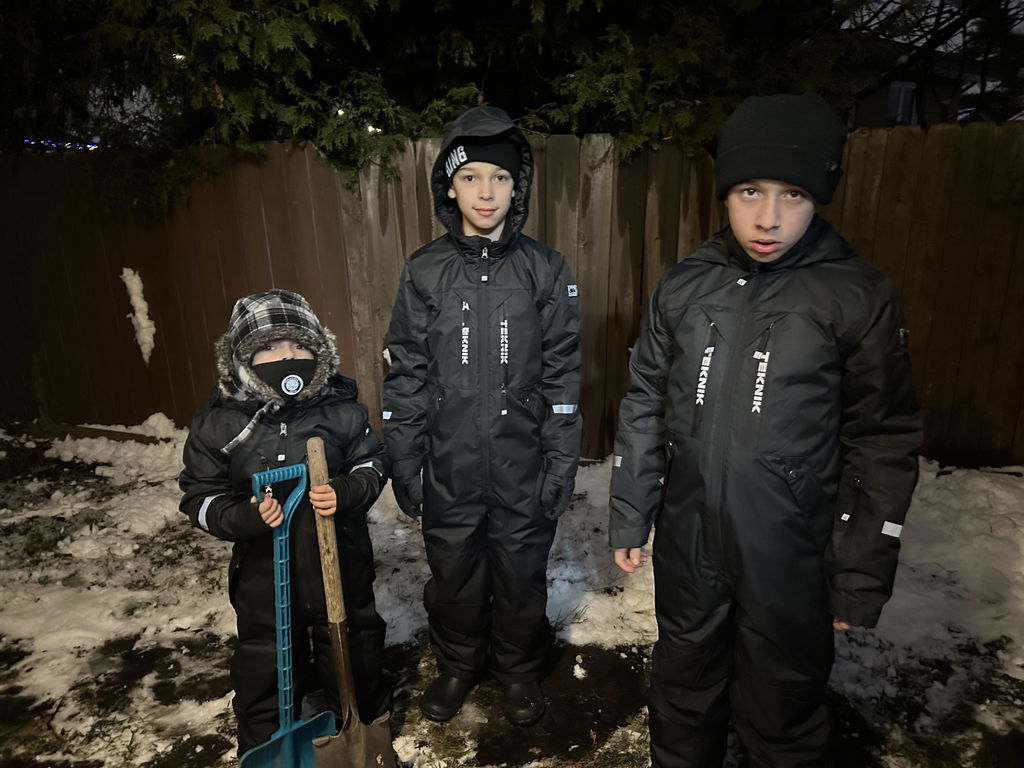
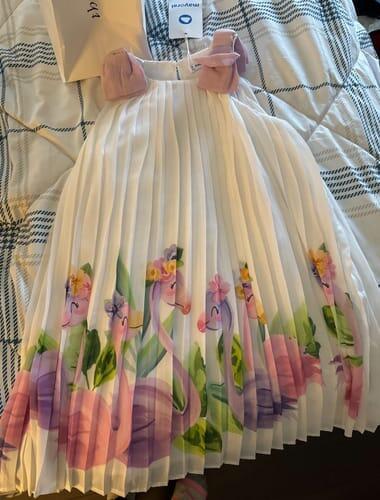
The best rain suit for kids should keep water out while still allowing easy movement for walking, climbing, recess and puddle play. Compare waterproof construction, sealed seams, hood fit, closures, durability, layering room and ease of cleaning before choosing by color or print.
This guide breaks down the features that matter most and how to choose the right rainwear for everyday school days and outdoor play.
Understanding the Importance of Quality Rain Suits
Rain is a natural phenomenon that, when met with the proper gear, can provide endless opportunities for outdoor exploration. For children, a well-designed rain suit is more than just a piece of clothing—it’s a ticket to adventure. A quality rain suit ensures that kids can experience nature without compromising on comfort or safety.
Protection from the Elements
The primary function of a rain suit is, of course, to keep water out. Rainwear performance varies by product. Check the exact manufacturer claim for water protection, fabric construction, seams and closures rather than assuming every rain suit will keep a child completely dry in every downpour. This protection is crucial not only for comfort but also for health, as prolonged exposure to dampness can lead to colds or discomfort.
Comfort and Freedom of Movement
Kids are naturally active and curious. They run, jump, and play without a care in the world. Therefore, a rain suit must be designed to offer both protection and flexibility. Stretchable fabrics, adjustable hoods, and ergonomic cuts allow for unrestricted movement, ensuring that your child can enjoy activities like jumping in puddles or racing across the park without feeling confined.
Durability and Longevity
Investing in a rain suit is about choosing longevity. The best rain suits are made from durable materials that can withstand rough outdoor play, repeated washing, and even the occasional scrape during playtime. A durable rain suit not only saves you money in the long run but also supports sustainability by reducing the need for frequent replacements.
Style That Inspires Confidence
Beyond functionality, a great rain suit can boost your child’s confidence. Fun colors, engaging designs, and trendy patterns make the gear appealing to kids. When children are excited about what they wear, they’re more likely to enjoy outdoor play even on gloomy days. In our guide, we’ve highlighted options that combine fashion with function, ensuring that your child feels as good as they look.
Key Features to Consider When Buying a Rain Suit for Kids
Selecting the right rain suit involves considering several key features that enhance its performance and appeal. Here’s a breakdown of the most important factors to keep in mind:
Waterproof Fabric
Check whether the exact rain suit is described as waterproof or water-resistant and whether the manufacturer states seam construction or a DWR treatment. Do not assume every rain suit uses the same coating or construction.
Breathability
While waterproofing is essential, breathability is equally important. Breathable fabrics allow moisture and heat to escape, preventing the build-up of sweat inside the suit. This feature is crucial for keeping your child comfortable during active play.
Durability
Kids can be tough on their clothing. The ideal rain suit is crafted from materials that can handle the rough and tumble of outdoor play. Reinforced stitching and abrasion-resistant fabrics are signs of a durable product.
Fit and Comfort
A rain suit must allow for plenty of movement. Adjustable features such as elastic cuffs, drawstring hems, and adjustable hoods help customize the fit. Make sure to check the sizing chart provided by the manufacturer to choose the best fit for your child.
Design and Style
Engaging designs that appeal to kids can make a significant difference. Look for suits with fun prints, bright colors, or characters that your child loves. A stylish rain suit not only protects from the weather but also makes a fashion statement.
Additional Features
Extra elements such as reflective details for increased visibility in low-light conditions, pockets for small treasures, and easy-to-use closures (like zippers or velcro) add functionality to the suit.
Below is a table summarizing the key features to look for when choosing a rain suit:
| Feature | Description | Benefits |
|---|---|---|
| Waterproof Fabric | Uses high-quality, water-repellent materials with DWR coatings | Keeps water out, ensuring your child stays dry |
| Breathability | Allows moisture and heat to escape through fabric micro-pores | Prevents overheating and discomfort during active play |
| Durability | Constructed with strong, abrasion-resistant materials and reinforced stitching | Withstands rough play and repeated washing, lasting longer |
| Adjustable Fit | Features such as adjustable hoods, elastic cuffs, and drawstrings | Provides a customizable, comfortable fit |
| Fun Design | Includes playful prints, bright colors, or favorite characters | Boosts confidence and makes rainy days fun for kids |
| Safety Enhancements | Reflective details and secure closures | Increases visibility and ensures the suit stays in place during play |
Top Picks for Kids: Girls and Boys Collections
Finding the perfect rain suit is a matter of balancing functionality with style. At Jennikidz, we offer curated collections that cater specifically to the needs of both girls and boys. Whether you’re shopping for a chic design for your daughter or a rugged, playful style for your son, our collections have something for everyone.
Girls’ Waterproof Rain Suits
Girls love to stand out with their unique style, even when it’s raining. Our collection of girls’ waterproof rain suits features playful patterns, vibrant colors, and designs that are both cute and practical. With attention to detail and an emphasis on comfort, these rain suits are perfect for any rainy day adventure. For a closer look at the latest trends, visit the Girls Waterproof Rain Suits Collection.
Boys’ Waterproof Rain Suits
Boys often gravitate toward gear that is rugged and durable. Our collection for boys offers rain suits that combine practicality with fun designs—ensuring that every rainy day feels like a new adventure. Designed to endure outdoor play and rough conditions, these rain suits offer a perfect blend of performance and style. Explore the options available in our Boys Waterproof Rain Suits Collection.

One-piece rain suits maximize continuous coverage; separates add flexibility for school and changing weather. The better format depends on the child’s routine and movement.
A Quick Comparison of Top Picks
To help you decide, we’ve prepared a table summarizing some of our top picks. Each option is designed to provide the best protection against the elements while keeping your child comfortable and stylish.
| Product Name | For | Key Features | Link |
|---|---|---|---|
| Rainy Day Princess Suit | Girls | Waterproof fabric, adjustable hood, playful design with fun prints, reflective safety details | Explore Girls’ Collection |
| Little Explorer Raincoat | Boys | Durable material, breathable fabric, adjustable cuffs, extra pockets for adventure essentials | Explore Boys’ Collection |
| All-Weather Adventure Suit | Unisex | Lightweight yet durable, high-visibility reflective trim, easy-to-clean material, flexible fit | Visit Jennikidz |
| Puddle Jumper Jacket | Girls | Bright colors, water-repellent coating, comfortable lining, secure zippers | Explore Girls’ Collection |
| Storm Chaser Shell | Boys | Reinforced seams, adjustable fit, rugged design, excellent water resistance | Explore Boys’ Collection |
These selections represent just a few of the many options available at Jennikidz. Each product is designed with the highest standards in mind—ensuring that your child is well-prepared for any rainy day challenge.
How to Choose the Right Rain Suit for Your Child
Choosing the perfect rain suit can seem like a daunting task, but a few practical considerations can simplify the process. Here are some tips to help you decide:
Consider the Fit and Sizing
Proper fit is essential for both comfort and performance. Always consult the sizing chart provided by the manufacturer to ensure you select a suit that allows for freedom of movement. Look for rain suits with adjustable elements such as drawstrings or elastic bands that let you tailor the fit as your child grows.
Prioritize Function Over Fashion (But Embrace Both)
While a suit’s appearance is important, functionality should always come first. Verify the exact product's water-protection claim and seam construction when those details are provided. However, a stylish design can motivate your child to wear the suit with pride, making rainy days something to look forward to.
Think About the Activities
Consider what your child loves to do on rainy days. If they enjoy running, jumping, and playing outdoors, opt for a suit with ample ventilation and flexibility. For more leisurely outdoor activities, a suit with extra insulation might be preferable to keep them warm and dry.
Evaluate the Durability
Kids can be energetic, and their clothing needs to keep up. Look for suits that are built to last—made from materials that are both durable and easy to clean. A rain suit that withstands repeated washes and rough use is a sound investment that will last through many rainy seasons.
Read Reviews and Seek Recommendations
Feedback from other parents can be invaluable. Reviews and testimonials provide real-life insights into how a rain suit performs under everyday conditions. Check out ratings and user comments to gauge overall satisfaction and reliability.
Tips for Maintaining and Caring for Your Rain Suit
A quality rain suit is a smart investment—and taking proper care of it ensures it continues to perform at its best. Follow these maintenance tips to keep your child’s rain gear looking and functioning like new:
Regular Cleaning
Rain suits should be cleaned after every season or after particularly muddy adventures. Follow the care instructions on the label, which usually recommend a gentle machine wash or hand wash with mild detergent. Avoid harsh chemicals that could break down the waterproof coating.
Drying and Storage
After cleaning, hang the suit to air dry away from direct sunlight. Direct sunlight can degrade the fabric and diminish the water-repellent treatment over time. Once dry, store the suit in a cool, dry place to prevent mildew or unpleasant odors.
Repair Minor Damages Promptly
Inspect the rain suit regularly for any signs of wear or tear. Small rips or damaged seams should be repaired immediately to maintain the suit’s waterproof integrity.
Reapply Water Repellent
Over time, the water-repellent properties of the fabric may begin to fade. Consider applying a DWR spray, which is available at most outdoor gear stores, to reinvigorate the waterproof coating and extend the life of your child’s rain suit.
Follow Manufacturer Guidelines
Each product may have its own specific care instructions, so always refer to the manufacturer’s guidelines. Adhering to these recommendations will ensure that your rain suit retains its performance features and stays in great condition for many adventures.
The Benefits of Investing in Quality Rain Gear
Investing in a high-quality rain suit is not merely about staying dry—it’s about enhancing your child’s outdoor experiences in multiple ways. Here’s why choosing premium rain gear can pay off:
Enhanced Comfort and Safety
A well-made rain suit is engineered to provide maximum comfort. Breathable fabrics and ergonomic designs ensure that your child remains comfortable, no matter how active they are. Safety features like reflective trims increase visibility in low-light conditions, adding an extra layer of protection during evening play.
Long-Term Savings
While high-quality rain suits may come with a higher upfront cost, their durability means they won’t need to be replaced as frequently as cheaper alternatives. This long-term durability translates into savings over time, as you won’t have to keep buying new gear every rainy season.

Rainwear checklist: verify the exact water-protection claim, hood and closures, cuffs/leg openings, movement, durability, boot compatibility and care guidance.
Encouraging Outdoor Play
Good weather—or the promise of staying dry in bad weather—can make all the difference in encouraging children to enjoy the outdoors. A comfortable, reliable rain suit gives kids the confidence to explore, play, and learn about nature, regardless of the weather forecast.
Eco-Friendly Considerations
Durability can reduce replacement frequency, but the environmental impact of a garment cannot be determined from durability alone. Evaluate any sustainability claim from product-specific evidence.
Style Meets Function
Finally, quality rain suits prove that functionality and style don’t have to be mutually exclusive. Modern designs offer a variety of colors and patterns that make the suits appealing to kids, boosting their mood and self-esteem while ensuring they’re protected from the elements.
How to Evaluate Rain Suit Quality Without Unverified Testimonials
Use product-specific information instead of anonymous or unattributed stories. Compare the manufacturer’s water-protection claim, seams, closures, fabric, fit, care instructions and current size availability. When verified customer reviews are available on a product page, treat them as one input alongside the product specifications rather than as proof that every child will have the same experience.
Frequently Asked Questions (FAQs)
1. What should I look for when choosing a rain suit for my child?
When selecting a rain suit, focus on key features such as waterproof and breathable fabric, durability, and a comfortable, adjustable fit. Look for designs with reinforced seams and safety features like reflective details. Reading customer reviews can also provide insights into real-world performance.
2. How do I ensure the rain suit fits my child properly?
Always refer to the manufacturer’s sizing chart and consider the type of activities your child will engage in. A slightly loose fit can allow for layering and extra movement, but ensure that the suit isn’t so large that it hinders mobility. Adjustable components like drawstrings or elastic bands can help customize the fit.
3. How should I care for and maintain the rain suit?
Follow the care instructions on the label—typically, a gentle machine or hand wash with a mild detergent is recommended. Allow the suit to air dry away from direct sunlight and store it in a cool, dry place. Periodically check for minor damages and repair them promptly to maintain its waterproof qualities.
4. Are more expensive rain suits worth the investment?
Quality rain suits may come with a higher upfront cost, but their durability, performance, and enhanced safety features often make them a better long-term investment. They are built to withstand active play and repeated washings, ultimately saving you money by reducing the need for frequent replacements.
5. Where can I find a wide selection of kids’ rain suits?
For a variety of stylish and functional rain suits, explore the curated collections at Jennikidz. They offer specialized lines for both girls and boys, ensuring that every child finds a suit that meets their needs and reflects their unique style.
Conclusion
Rainy days can be a time for exploration, creativity, and fun if your child is equipped with the right gear. A high-quality rain suit does more than just protect from the elements—it fosters confidence, encourages outdoor play, and stands up to the rigors of active childhood. By carefully considering factors like waterproofing, breathability, durability, and design, you can choose a rain suit that not only meets practical needs but also delights your child with its style and comfort.
Investing in premium rain gear is an investment in your child’s happiness and well-being. With a well-chosen rain suit, every drop of rain becomes an opportunity for adventure rather than a reason to stay indoors. Remember to check out our exclusive collections: discover fun and functional options for girls in the Girls Waterproof Rain Suits Collection, find durable and stylish choices for boys in the Boys Waterproof Rain Suits Collection, and explore even more quality products at Jennikidz.
Whether you’re gearing up for a spontaneous walk in the rain or preparing for a rainy season of outdoor adventures, the perfect rain suit is just a click away. Embrace the weather, encourage play, and let every rainy day be a new chapter in your child’s story of exploration and joy.
By following this guide, you can ensure that your child is not only protected from the rain but also inspired to enjoy every moment of outdoor play. Happy rainy day adventures!
Related guide: Kids Clothes for Every Season: Spring, Summer, Fall & Winter Guide.
Rain Suit Decision Matrix
| Use case | Prioritize |
|---|---|
| Daycare puddle play | Coverage, easy movement, simple closures |
| School commute | Packability, independent dressing, jacket flexibility |
| Wet playground | Seat/knee coverage and boot compatibility |
| Travel | Packability, drying practicality, layer flexibility |
| Cold slush | Water protection plus appropriate insulating layers |
How to Verify Rainwear Claims
Use the exact manufacturer wording for waterproofing or water resistance. If a numerical rating or seam treatment is stated, compare that product-specific information. Do not transfer a claim from one style to every garment from the brand.
Rain Suit Fit Test
Try the suit with the layers the child will normally wear. Check squatting, walking, arm reach and sitting. Make sure cuffs and pant legs work with boots without excessive fabric dragging on the ground.
Rainwear vs Winter Outerwear
An uninsulated rain suit solves a different problem from an insulated snowsuit. For slush and shoulder season, compare the temperature, moisture and planned layers before deciding. See Rain Suit vs Snowsuit.
Before Checkout: Rain Gear Review
- Choose one-piece or separates.
- Confirm current size.
- Verify the exact water-protection claim.
- Check hood, cuffs and closures.
- Confirm movement with intended layers.
- Check boot compatibility.
- Read care instructions.
When to Choose a One-Piece Rain Suit
A one-piece can be especially practical for younger children who sit, kneel and crawl close to wet ground because it reduces the opening at the waist. The tradeoff is less flexibility when only a jacket is needed, so consider how often the child will use full-body coverage.
When Separates Make More Sense
Older children may benefit from a jacket and rain pants that can be worn independently. Separates can also make indoor transitions easier at school. Check overlap at the waist and make sure the pants stay positioned during movement.
Final Rule for Rain Gear
Buy for the wet-weather problem you actually have. Fit, movement and verified product specifications matter more than choosing the most technical-sounding description.